October 2, 2026
Foundation flooding can cause serious problems for a home when water is allowed to collect around the base of the structure. Heavy rain, poor drainage, clogged gutters, and grading issues can all contribute to unwanted water accumulation near foundation walls. Although some causes may seem minor at first, repeated exposure to moisture can create conditions that affect basements, floors, walls, and structural components. Homeowners can reduce these risks by paying attention to how water moves around the property during and after storms. A foundation contractor can also identify drainage concerns and recommend appropriate solutions when water repeatedly reaches the foundation. Preventive maintenance is especially important for homes with basements or properties located in areas that experience frequent rainfall. Understanding the common causes of foundation flooding makes it easier to take action before water creates more extensive damage. With regular inspections and appropriate drainage measures, homeowners can create a better defense against moisture-related problems.
Inspect Gutters and Downspouts
Gutters play an important role in directing rainwater away from the roof and toward designated drainage areas. When gutters become clogged with leaves, dirt, and other debris, water may overflow along the edges of the home. That overflow can saturate the soil directly beside foundation walls instead of carrying water safely away from the structure. According to Stacker, four in 10 homeowners, or 40%, reported experiencing property damage from clogged or poorly maintained gutters, including roof leaks, basement flooding, and foundation problems. Regular gutter cleaning can therefore be an important part of protecting areas that are vulnerable to excess moisture. Homeowners should also inspect downspouts to make sure they are securely connected and free from blockages. When searching for a foundation contractor, homeowners may also ask about drainage conditions around the property as part of a broader moisture evaluation. Keeping gutters and downspouts maintained gives rainwater a controlled path away from the foundation.
Improve Water Drainage
Proper drainage helps prevent rainwater from remaining against foundation walls after a storm. Soil around a home should generally direct surface water away from the structure rather than allowing it to collect beside the foundation. Low areas can hold water for extended periods, increasing the amount of moisture that reaches foundation walls and basement spaces. Homeowners should observe the property during heavy rainfall to see where water naturally collects and how quickly it moves away. A foundation contractor can evaluate areas where standing water repeatedly appears and determine whether grading or drainage improvements may be necessary. Depending on the property, solutions may involve adjustments to surface drainage, extensions for downspouts, or other water-management measures. Even small drainage improvements can change how much water reaches vulnerable areas around the home. Maintaining a clear path for runoff is one of the most practical ways to reduce repeated foundation moisture.
Protect Foundation Walls
Foundation walls are designed to support the structure, but constant exposure to water can create additional challenges for the surrounding building materials. Moisture may enter through cracks, joints, porous materials, or other vulnerable points when water pressure builds around the foundation. Homeowners should periodically inspect accessible foundation surfaces for visible cracks, dampness, staining, or other changes. Small signs of moisture should not automatically be considered harmless, especially when they appear after multiple storms. Experienced foundation contractor services can help determine whether visible damage is related to drainage, settlement, waterproofing, or another condition. Keeping soil and landscaping from blocking drainage pathways can also help reduce direct water exposure. Plants, mulch, and decorative materials should be arranged carefully so they do not interfere with the movement of water away from the structure. Early attention to foundation conditions can help homeowners address moisture concerns before they become more difficult to manage.
Maintain Basement Drainage
Basement drainage systems are another important part of preventing foundation flooding. Floor drains, sump pumps, drainage channels, and other components can help control water that reaches the lower portions of a home. These systems should be inspected regularly to make sure they are free of debris and functioning as intended. A sump pump, for example, may become less effective if its discharge line is blocked or if the pump is not operating correctly. Homeowners should also understand where basement water is expected to flow during heavy rainfall. A foundation contractor can inspect basement drainage concerns when recurring water entry suggests that the existing system is not adequately managing moisture. Keeping basement storage elevated can provide an additional precaution in areas where occasional water intrusion has occurred. Routine maintenance gives homeowners a better opportunity to discover drainage problems before the next major storm.
Address Foundation Grading
The slope of the ground surrounding a home can have a significant effect on where rainwater travels. When soil slopes toward the house, runoff can move directly toward foundation walls and increase the amount of moisture entering the surrounding ground. Settlement over time may also change the original grading and create low spots that were not present when the home was constructed. Homeowners can look for areas where water repeatedly pools near the foundation after rainfall. If the grading appears to direct water toward the home, a foundation contractor can assess the condition and identify appropriate corrective measures. Landscaping projects should also account for drainage so that new soil, planting beds, or hardscaping do not unintentionally redirect runoff. Maintaining appropriate grading can reduce the amount of surface water that reaches the foundation during storms. This preventive step can work alongside gutters and other drainage measures to create a more complete approach to water management.
Monitor Signs of Water Intrusion
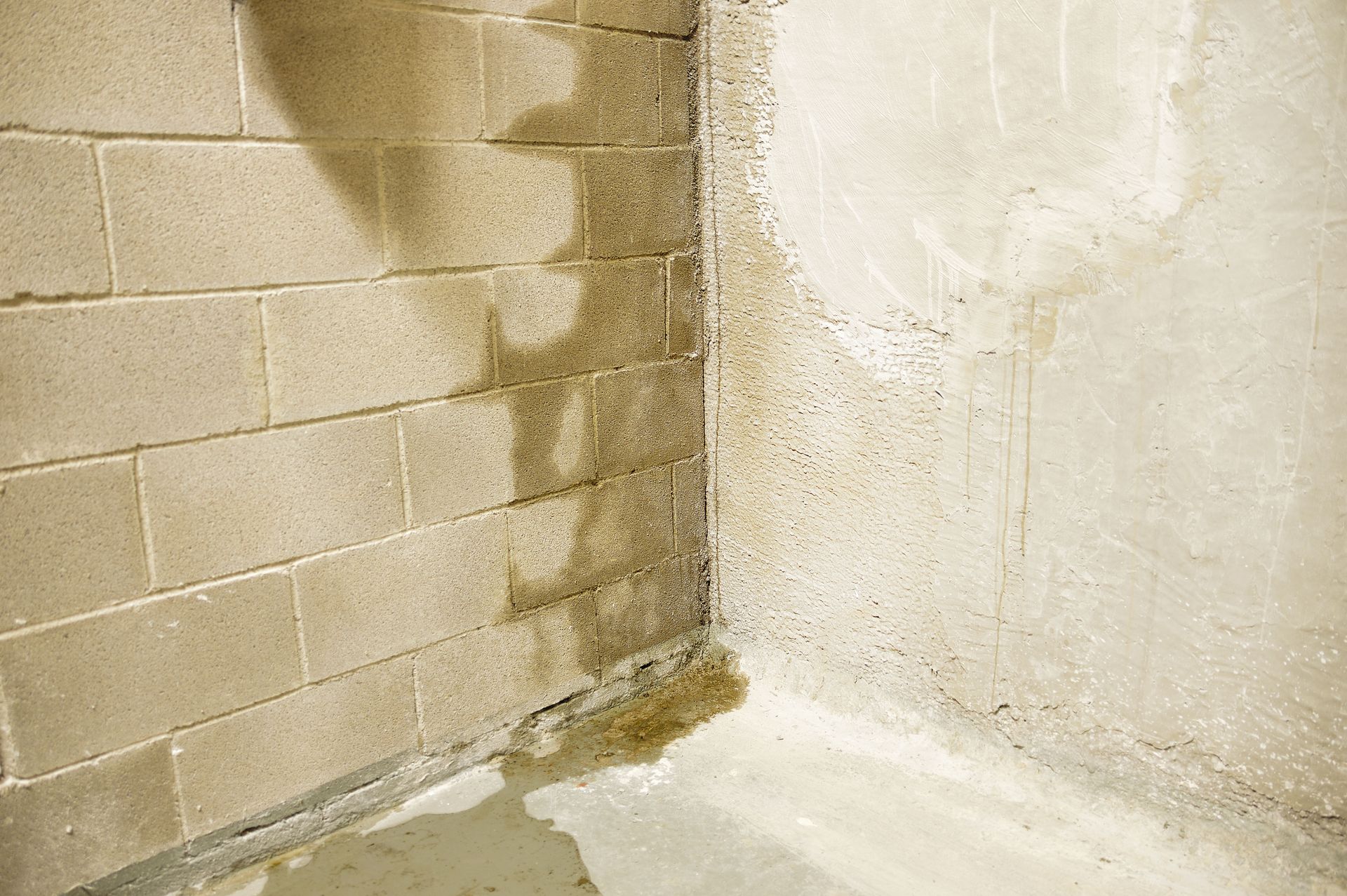
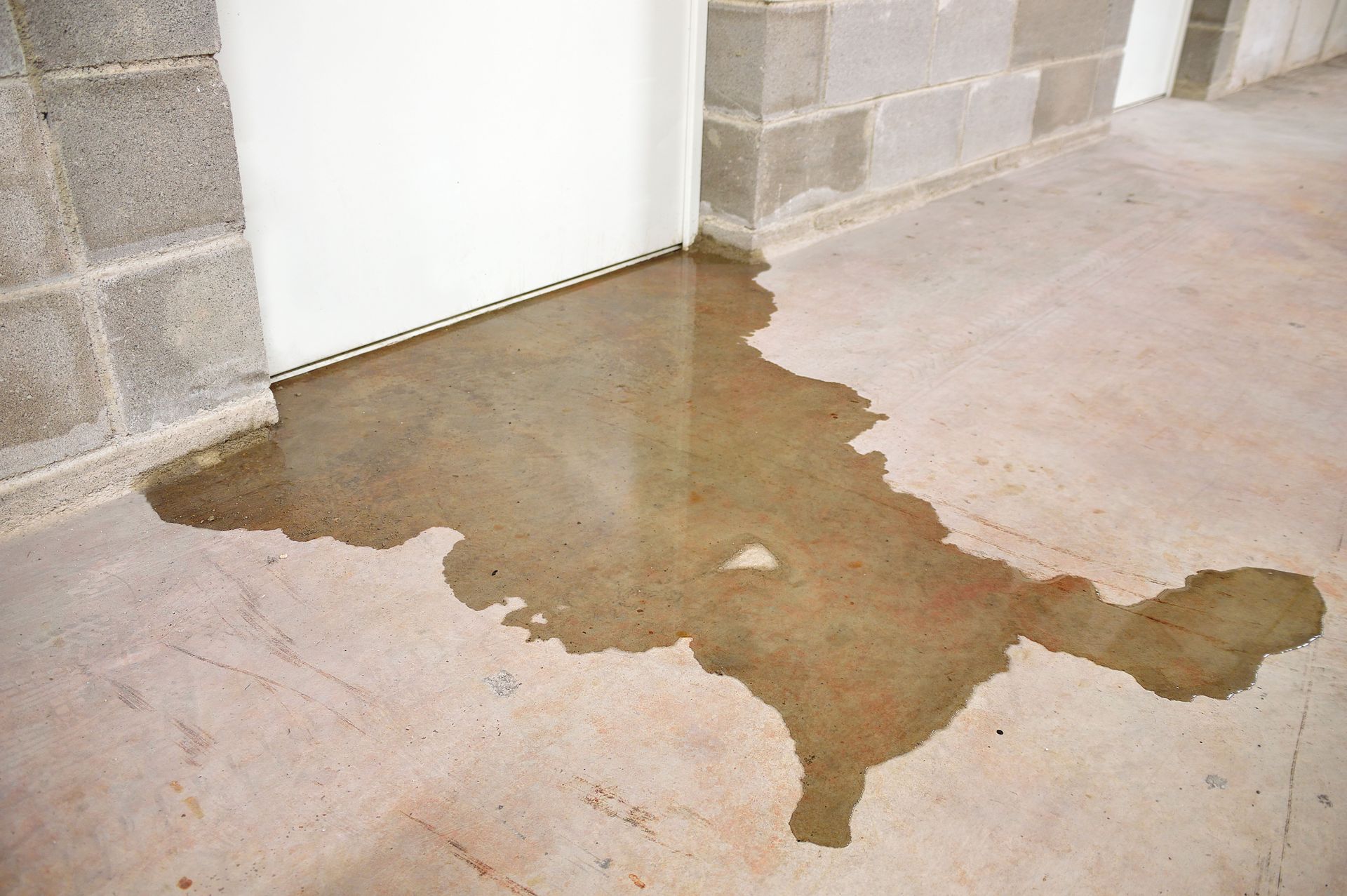
Recognizing early signs of foundation flooding can help homeowners respond before moisture causes more extensive problems. Common warning signs can include damp basement walls, water stains, musty odors, peeling finishes, or puddles appearing after rainfall. Cracks around basement walls or floors may also deserve attention, particularly when they are accompanied by recurring moisture. Homeowners should note when the symptoms appear because the timing can provide useful information about their possible source. For properties with repeated moisture concerns, consulting a foundation contractor can provide a clearer understanding of whether exterior drainage or another condition is contributing to the problem. It is also important to distinguish occasional condensation from actual water intrusion because the appropriate solution may differ. Keeping a record of leaks and moisture patterns can help professionals evaluate whether the issue is isolated or recurring. Prompt attention to warning signs can reduce the likelihood that a manageable drainage concern will develop into a larger basement problem.
Schedule Professional Foundation Evaluations
Professional evaluations can provide homeowners with information that may not be available through a basic visual inspection. Experienced contractors can examine drainage patterns, foundation surfaces, basement conditions, and other factors that influence how water interacts with a home. This type of assessment can be especially useful after repeated flooding or when several moisture warning signs appear at the same time. Homeowners should provide details about when water appears, where it enters, and whether the issue occurs only during heavy storms. A foundation contractor may use those observations along with an inspection of the property to identify potential sources of water intrusion. Addressing the underlying cause is generally more useful than repeatedly managing the visible effects of flooding. Professional recommendations may also help homeowners prioritize maintenance tasks according to the property's specific drainage conditions. Regular evaluations can give homeowners a clearer understanding of developing concerns and help them make informed maintenance decisions.
Homeowners dealing with basement moisture, drainage concerns, or recurring foundation flooding can turn to Tennyson Construction Wet Basement Specialist for professional assistance. Contact us today to discuss the property's water concerns and determine the appropriate steps for improving foundation protection.