June 4, 2026
A home's foundation is built to withstand decades of use, but it’s not immune to the constant pressure of changing seasons. As temperatures rise, fall, and fluctuate throughout the year, the soil around your home expands, contracts, and saturates—sometimes aggressively. These shifts can gradually weaken even the strongest foundation, leading to cracks, leaks, bowed walls, and costly repairs down the road. For homeowners, understanding how seasonal weather affects foundation health is essential to long-term structural stability.
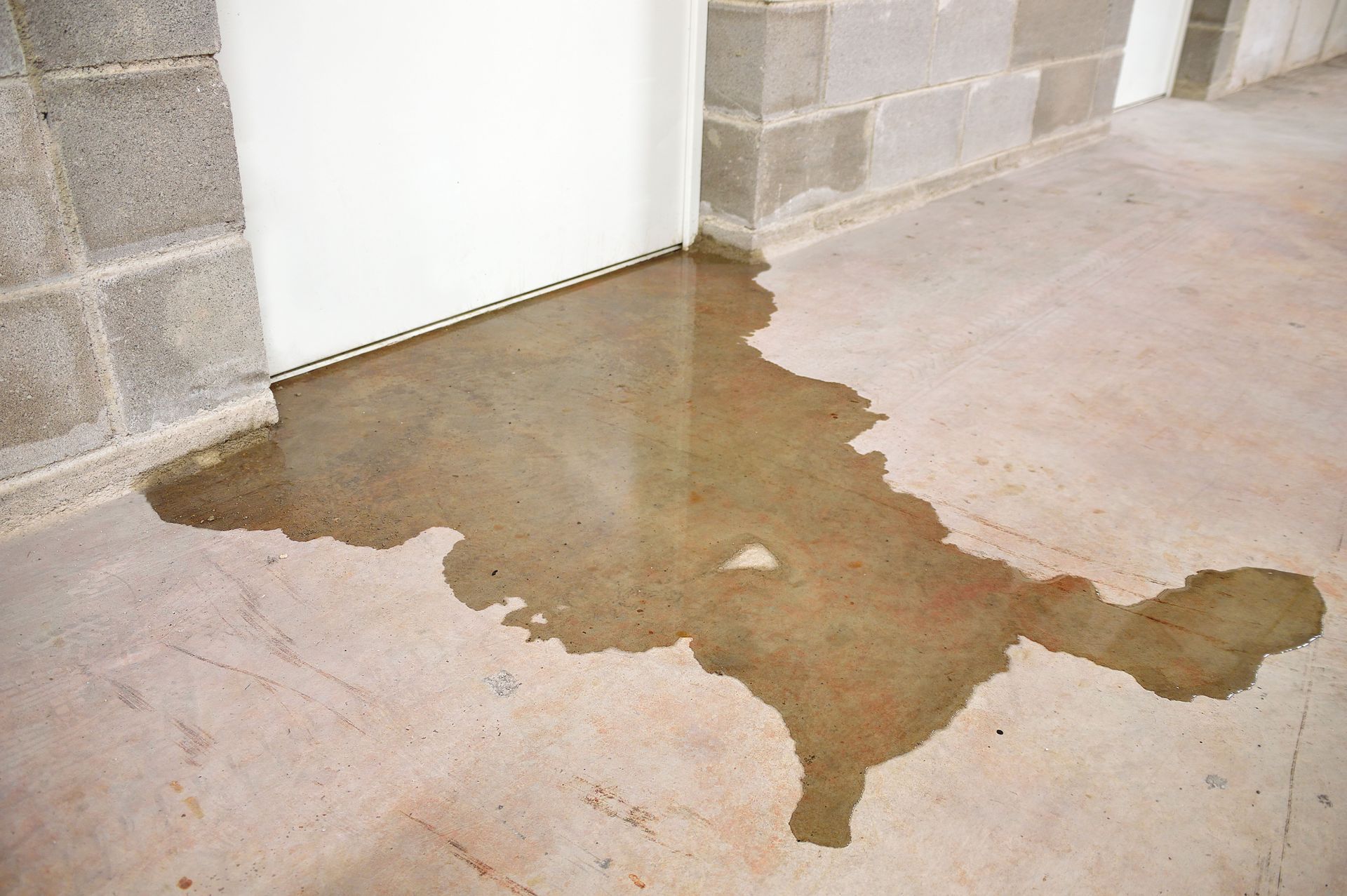
Moisture plays a central role in this process, and it’s not something homeowners can afford to ignore. According to Build, studies show that over 90% of basements will eventually experience water seepage. That means nearly every home will face water-related foundation stress at some point, making prevention more important than ever. Below, we break down how each season affects your foundation—and what homeowners should watch for.
How Winter Weather Impacts Foundation Stability
Winter weather affects foundations more than most people realize. When temperatures drop below freezing, the soil around your home can undergo frost heave—an expansion that occurs when water in the ground freezes and pushes upward. This natural movement increases pressure on foundation walls, which can lead to cracking, shifting, or bowing. Homes in climates with alternating freeze-thaw cycles often experience the most damage because the soil repeatedly expands and contracts.
Another issue tied to winter is indoor humidity imbalance. As homeowners heat their homes, indoor air dries out, causing wooden framing components to shrink slightly. While this doesn’t directly damage the foundation, it can create the illusion of structural issues, such as minor gaps around doors or floors feeling slightly uneven. A professional
foundation contractor can determine whether the issue is temporary or a sign of deeper structural movement.
Ice and snow accumulation also pose risks. When large amounts of snow melt quickly, the sudden saturation can overwhelm the soil and drainage systems around your home. This excess water can seep through foundation cracks or enter the basement, worsening structural stress and contributing to long-term deterioration. Winter may appear calm from the surface, but it often puts a silent strain on your home’s foundation.
How Spring Rainfall Influences Soil and Foundation Health
Spring is known as a season of renewal, but it's also one of the most challenging times for foundations. As temperatures rise, the previously frozen ground begins to thaw, creating pockets of moisture that saturate the soil. Add in heavy seasonal rainstorms, and many homes experience significant hydrostatic pressure—water pressure pushing against the foundation walls from the outside.
This increased pressure can cause basement leaks, wall cracks, or even the beginning of bowing or inward movement. Homes with clay-based soil, which expands dramatically when wet, are particularly vulnerable. Without proper grading, gutter systems, or drainage solutions, rainwater can pool around the base of the home and weaken the foundation over time.
Spring is also when basement waterproofing problems tend to reveal themselves. Condensation, damp walls, musty odors, and visible puddles are all signs that water management outside your home is failing. For many homeowners, spring becomes the season when foundation problems first become noticeable—but also one of the best times to fix them. A qualified foundation contractor can assess moisture patterns and recommend reinforcement or waterproofing solutions before problems worsen.
How Summer Heat Affects Soil Moisture and Foundation Support
When summer arrives, intense heat can dry out the soil surrounding your home. As the ground loses moisture, it shrinks and pulls away from the foundation, reducing the supportive pressure that normally keeps it stable. This soil shrinkage can create gaps surrounding the home, allowing the foundation to shift, settle unevenly, or develop cracks in exterior walls.
Homes located in extremely hot or drought-prone climates often experience some of the most severe summer-related foundation issues. The lack of soil support can cause differential settling, where one part of the home sinks more than another. Homeowners may begin to notice sloping floors, sticking windows or doors, or diagonal cracks above interior door frames.
Another issue common in the summer is sudden rehydration. After a long dry spell, a heavy rainstorm can cause the soil to rapidly absorb water and expand again. This sudden change puts new pressure on the foundation, which can worsen existing cracks or create new ones. Summer is also a time when homeowners use more water outdoors, and improper irrigation can cause oversaturation near the home that affects foundation stability. Keeping soil moisture balanced throughout the season is crucial for preventing long-term structural damage.
How Fall Weather Sets the Stage for Foundation Changes
Fall is often considered a transitional season, but it plays a critical role in foundation health. As temperatures begin to drop, the soil starts cooling and retains moisture differently than in the summer months. Autumn rains and falling leaves can create drainage challenges, especially when gutters become clogged and overflow near the foundation.
This uncontrolled water flow increases saturation around the home and can lead to basement leaks or foundation cracks, particularly in older houses. Fall is also when many homeowners shut down outdoor watering systems. While this is necessary for winterization, it can cause the soil to dry too quickly if rainfall is limited, leading to settlement problems similar to those seen in summer.
Additionally, fall is the ideal time to prepare your home for winter's harsh conditions. Small cracks may expand once freezing temperatures arrive, and unaddressed drainage issues can turn into serious water damage once snow begins to melt. By performing inspections and routine maintenance in the fall, homeowners can prevent minor issues from becoming expensive repairs in the coming months.
How To Protect Your Foundation Throughout Changing Seasons
While seasonal weather changes are unavoidable, the damage they cause doesn’t have to be. Routine inspections and proactive maintenance can significantly extend the life of your foundation. Start by checking gutters and downspouts regularly, ensuring they're clear of debris and directing water at least several feet away from your home. Next, evaluate your yard's grading; soil should slope away from your foundation to reduce pooling.
It’s also critical to monitor cracks or changes inside your home. Hairline cracks may be normal, but widening gaps or persistent moisture should be taken seriously. Installing basement waterproofing solutions, such as sump pumps, interior drains, or exterior waterproof membranes, can drastically reduce water-related damage. And because seasonal soil movement is ongoing, professional guidance can help identify risks you may not notice on your own.
Homeowners should schedule a foundation inspection at least once per year, ideally before winter or spring, when moisture levels are at their highest. A trained expert can assess structural integrity, identify early signs of movement, and recommend repairs that keep your home safe, dry, and stable through every season.
Seasonal weather plays a powerful role in shaping the health of your home’s foundation. From winter frost heave to spring rain, summer drought, and fall drainage issues, each season brings unique challenges that can weaken structural stability over time. Staying aware of these seasonal risks allows homeowners to take preventive steps early, avoid expensive repairs, and protect both their property and peace of mind. If you notice signs of foundation damage or basement moisture, don't wait—contact Tennyson Construction Wet Basement Specialist today for expert help you can trust.