November 6, 2026
A home's foundation provides the structural support that keeps the entire building stable. However, constant exposure to moisture can gradually weaken this essential component, creating problems that affect everything from basement walls to indoor air quality. Rainwater, groundwater, and poor drainage can allow moisture to accumulate around the foundation, increasing the risk of cracks, leaks, and structural deterioration. Without proper protection, seemingly minor water issues can develop into expensive repairs that disrupt daily life and threaten the home's long-term value.
Foundation waterproofing helps homeowners manage these risks by limiting water intrusion and directing moisture away from vulnerable areas. Rather than waiting for visible damage to appear, property owners can take preventive measures to protect their homes and reduce future maintenance concerns. Understanding how waterproofing works, recognizing potential warning signs, and choosing appropriate solutions can help homeowners make informed decisions about protecting their properties.
Understand How Moisture Affects Your Foundation
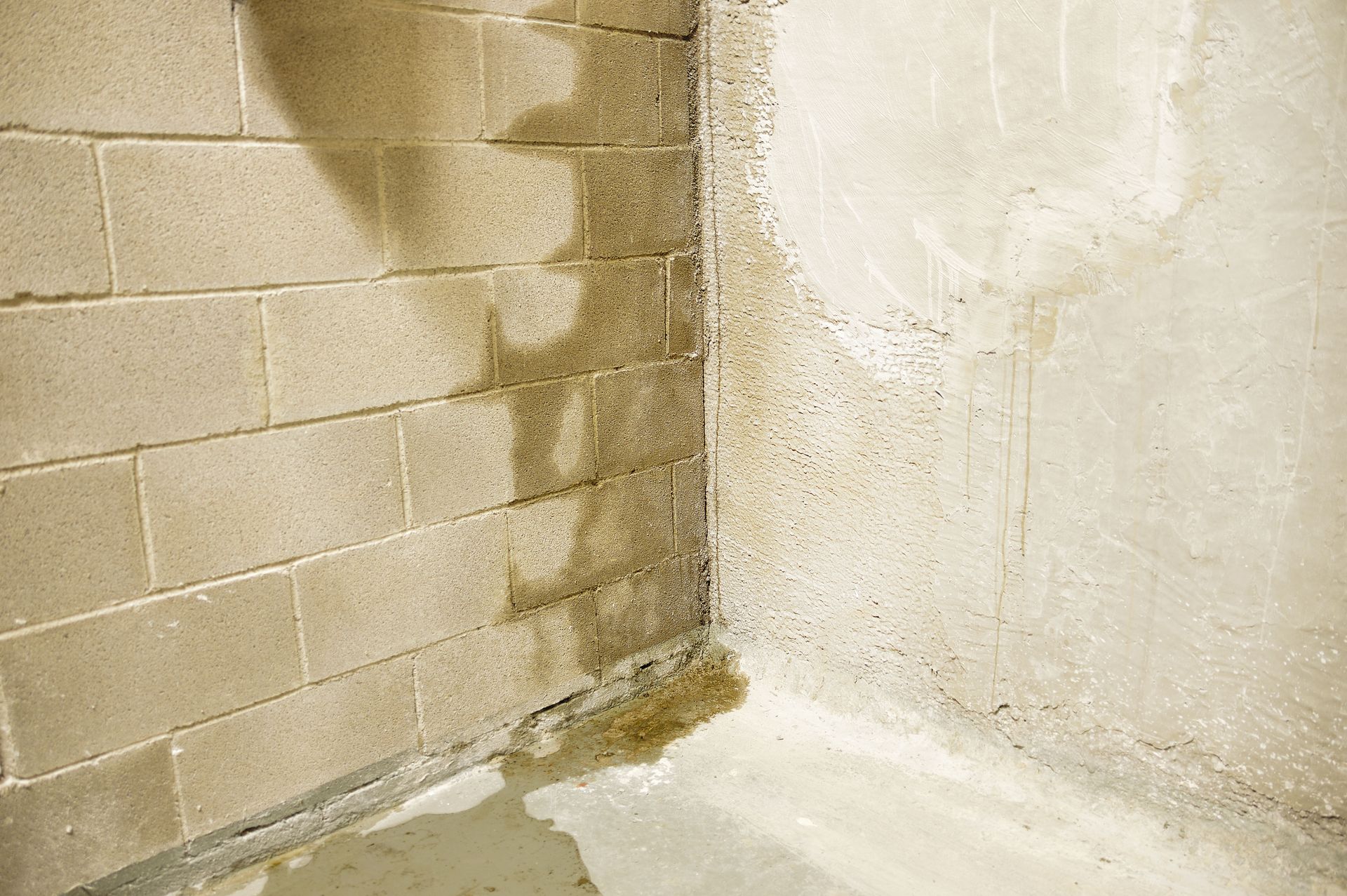
Water can affect a foundation through several pathways, including cracks, porous concrete, deteriorating seals, and gaps around basement windows. When moisture collects against foundation walls, hydrostatic pressure can force water through vulnerable areas. Over time, repeated exposure can contribute to deterioration, particularly when existing drainage problems allow water to remain near the structure.
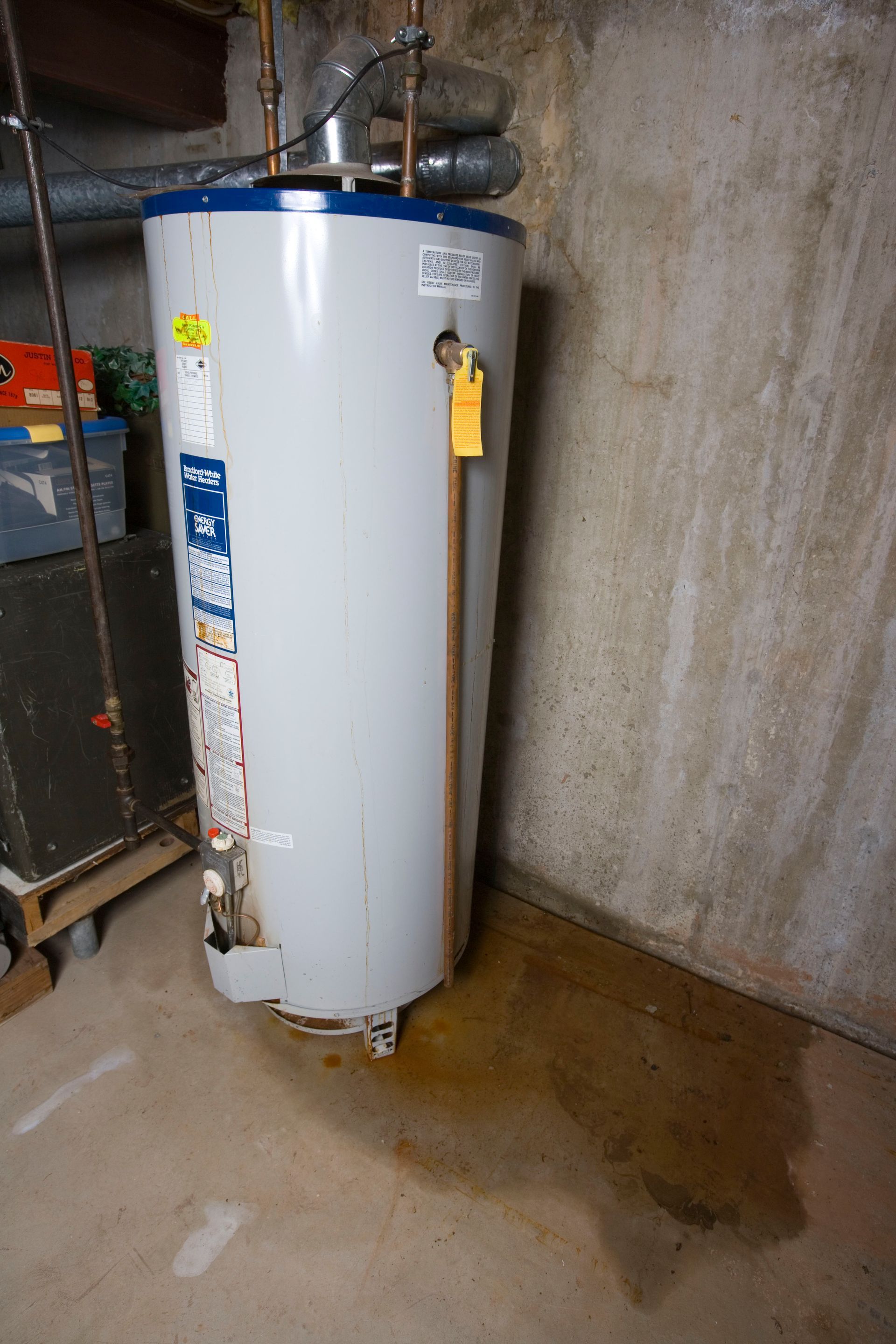
The effects may initially appear minor, such as damp patches, peeling paint, or a musty odor in the basement. However, these symptoms can indicate moisture conditions that require further investigation. Homeowners who overlook these warning signs may eventually face damaged flooring, compromised stored belongings, and repairs involving affected building materials.
Professional basement contractors can help identify potential sources of moisture and determine whether the problem involves seepage, drainage, or another underlying condition. Understanding where water originates is essential because effective waterproofing addresses the cause of intrusion rather than simply concealing its visible effects. A thorough assessment provides a foundation for selecting appropriate repairs and preventive measures.
Recognize the Benefits of Foundation Waterproofing
Waterproofing creates protective barriers and drainage systems that help prevent moisture from entering vulnerable areas of a home. Depending on the property's condition, solutions may include exterior waterproofing membranes, interior drainage channels, sump pumps, or crack repairs. Each approach serves a particular purpose, and the right combination depends on the foundation's construction, surrounding soil, and existing water conditions.
Preventing water intrusion can help preserve the materials that support the home. When foundation walls remain exposed to persistent moisture, deterioration may become more difficult and expensive to address. Waterproofing reduces that exposure, helping homeowners protect their investment while limiting the likelihood of recurring water-related problems.
The importance of these protective measures is reflected in the broader construction industry. According to Expert Market Research, the North America below-grade waterproofing market was valued at $297.50 million in 2024. This figure illustrates the economic significance of waterproofing solutions for structures located below ground level, where moisture management remains an important consideration.
Improve Drainage Around Your Property
Effective foundation protection begins with managing the water surrounding the home. When rainwater collects near the foundation instead of draining away, the soil can become saturated and increase pressure against basement walls. Improving surface drainage helps reduce this exposure and supports the performance of other waterproofing measures.
Gutters and downspouts play an important role in controlling roof runoff. Clogged gutters can overflow, allowing water to accumulate near the foundation. Downspouts that discharge too close to the structure may create similar problems. Keeping these components clear and directing runoff away from the home can reduce unnecessary moisture around vulnerable areas.
The slope of the surrounding ground also influences how water moves across the property. Soil that directs rainwater toward the building can contribute to recurring basement dampness, especially during prolonged wet weather. Adjusting the grading where appropriate can encourage water to flow away from the foundation rather than collecting beside it.
Homeowners should remember that surface drainage cannot resolve every moisture problem. Groundwater pressure, foundation cracks, and inadequate subsurface drainage may require additional measures. Professional basement contractors can evaluate these conditions and recommend solutions that address the property's specific drainage challenges.
Prevent Structural Deterioration and Costly Repairs
Foundation damage can develop gradually when moisture repeatedly enters concrete or masonry. Water may travel through existing cracks, weaken vulnerable materials, and contribute to deterioration during changing weather conditions. Persistent moisture can also affect nearby structural components, making it important to investigate water intrusion before the damage spreads.
Waterproofing helps reduce the conditions that contribute to these problems. Exterior membranes can create a barrier between the foundation and surrounding soil, while drainage systems help collect and redirect water. Sealing appropriate cracks and penetrations can provide additional protection when the underlying cause has been properly identified.
Preventive maintenance can also help homeowners avoid expenses associated with extensive restoration. Repairing a developing leak may be less disruptive than replacing damaged finishes, addressing widespread moisture problems, or repairing deteriorated foundation materials. Although waterproofing requires an initial investment, the potential to limit future damage makes it an important consideration for long-term property maintenance.
However, waterproofing should not be treated as a substitute for structural repairs when significant foundation movement or deterioration is present. Large cracks, uneven floors, and visibly displaced walls may indicate problems that require specialized evaluation. Addressing these concerns appropriately helps ensure that moisture protection supports the foundation rather than masking a more serious underlying issue.
Protect Indoor Air Quality and Basement Usability
A damp basement can create an uncomfortable environment throughout the home. Moisture trapped behind walls, beneath flooring, or around stored belongings can encourage mold growth when suitable conditions exist. Musty odors may spread into adjoining rooms, while excessive humidity can make lower-level spaces feel unpleasant even when visible leaks are absent.
Waterproofing helps control moisture at its source, supporting a drier basement environment. When combined with appropriate ventilation and humidity management, effective moisture protection can make below-grade spaces more comfortable and easier to maintain.
Protecting indoor air quality requires attention to existing moisture damage as well. Waterproofing alone does not remove established mold or repair materials that have already deteriorated. Affected areas may need appropriate cleaning, removal, or restoration before the basement can be considered adequately protected.
Homeowners should investigate persistent condensation, damp carpeting, water stains, and unexplained odors rather than relying on temporary cosmetic fixes. Qualified basement contractors can help distinguish between foundation seepage and other moisture sources, allowing homeowners to choose practical measures that improve the basement's condition and usability.
Choose the Right Waterproofing Professional
Selecting a qualified professional is an important part of protecting a foundation. Waterproofing projects can involve drainage improvements, crack sealing, excavation, sump pump installation, and other specialized work. Because every property has different conditions, homeowners should seek an evaluation that considers the source of moisture, the foundation's condition, and the most appropriate repair strategy.
A detailed proposal should explain the recommended work, materials, expected project scope, and any limitations of the proposed solution. Homeowners should also ask about warranties, maintenance requirements, and how the contractor plans to address potential complications.
Experience with foundation moisture problems is particularly valuable when visible symptoms have multiple possible causes. A contractor who investigates drainage patterns, foundation openings, and groundwater conditions can provide recommendations tailored to the property instead of relying on a standard approach for every basement.
Before making a decision, homeowners should review references, verify appropriate insurance, and confirm that the proposed work meets applicable requirements.
Your foundation deserves protection before moisture problems become major repairs. Take action to preserve your home's structural integrity, maintain a healthier basement, and prevent avoidable water damage. Contact Tennyson Construction Wet Basement Specialist today to discuss your waterproofing concerns and find a practical solution for keeping your foundation dry and protected.