October 31, 2026
Basement walls are meant to act as strong barriers against the surrounding earth, maintaining the structural foundation of a house. When these walls begin to bow inward, it signals a serious issue developing beneath the surface. Many property owners view wall movement as an isolated structural failure, but the underlying driver is almost always linked to water management surrounding the foundation. When water is not properly channeled away from a property, pressure builds up in the soil, forcing heavy concrete or masonry units to shift. Understanding how water accumulation directly influences structural movement helps explain why addressing moisture flow is essential for long-term home stability.
Understanding Hydrostatic Pressure Against Foundation Walls
Water present in the soil naturally exerts force against any buried surface, a force known as hydrostatic pressure. When heavy rains fall or snow melts rapidly, unmanaged groundwater saturates the earth directly surrounding the basement. As soil absorbs water, it expands and becomes significantly heavier, pushing forcefully against the foundation masonry. Over time, continuous lateral force forces the middle of the wall inward, leading to noticeable horizontal cracking and deflection. Partnering with basement contractors allows property owners to evaluate how groundwater moves around the structure and determine appropriate methods to relieve excessive pressure before structural failure occurs.
Soil Type in Structural Stress
The type of earth surrounding a building plays a primary role in how severe foundation pressure becomes. Clay-heavy soils possess expansive qualities, meaning they absorb large quantities of moisture and swell dramatically during wet periods. Conversely, when conditions dry out, clay contracts, leaving gaps where subsequent rain can pool rapidly. This constant cycle of swelling and shrinking applies uneven, repetitive forces to foundation walls, accelerating the bowing process. Working with experienced basement contractors ensures that specific soil conditions are taken into account when designing subterranean drainage solutions.
Consequences of Improper Landscape Grading
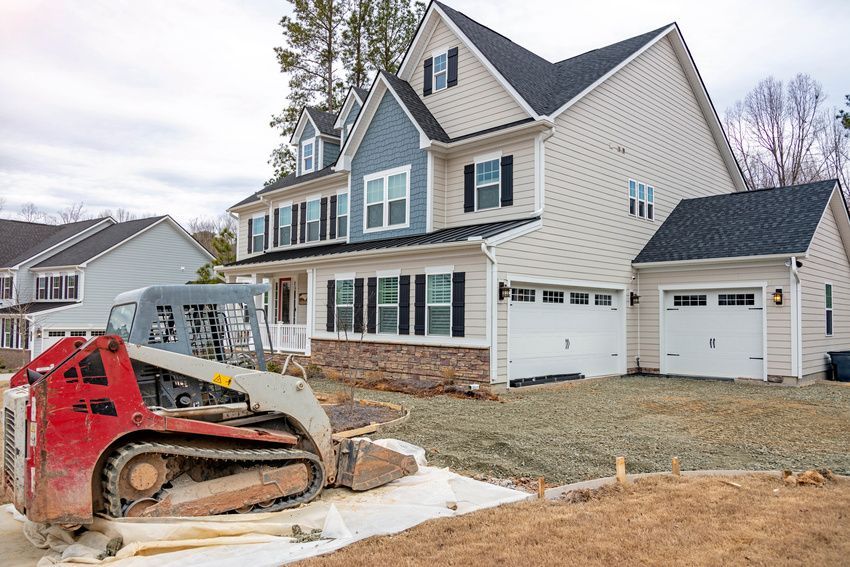
Landscaping that slopes toward a home rather than away from it naturally directs surface runoff straight to the foundation perimeter. When ground levels tilt inward, rainwater collects near the exterior basement walls, quickly saturating the backfill soil. According to the National Association of Home Builders (NAHB), 15% of new homes experience water intrusion within the first year, often requiring retroactive waterproofing for long-term integrity. When surface water is permitted to pool alongside the foundation, it rapidly increases saturation levels, compounding lateral pressure and forcing structural components to bow or shift over time.
Failures in Gutters and Downspouts
Roof drainage plays a major role in keeping foundation perimeter soils stable. When gutters fill with debris, overflow, or feature misaligned seams, thousands of gallons of roof runoff pour straight down to the base of the structure. Similarly, downspouts that discharge water right next to exterior walls create localized zones of extreme soil saturation. Installing splash blocks or rigid extension pipes helps push roof runoff away before it can seep into subterranean earth. Regular seasonal clearing ensures rainwater flows freely through gutters without spilling over the edges. Consulting knowledgeable basement contractors helps identify roof runoff flaws and integrate dedicated underground conductor lines that carry heavy water volume safely away from vulnerable foundation areas.
Subsurface Water Tables and Seasonal Changes
Groundwater tables fluctuate throughout the year depending on climate, rainfall patterns, and seasonal thaws. High water tables increase saturated soil conditions below ground level, creating sustained pressure against the lower sections of basement walls. During winter months, freeze-thaw cycles further exacerbate this stress, as saturated earth expands significantly upon freezing. Spring thaws can cause rapid rises in water levels, subjecting masonry to sudden spikes in lateral force. Over several seasons, this fluctuating pressure weakens structural mortar joints, making walls far more susceptible to movement. Experienced basement contractors can evaluate local subsurface conditions to implement drainage configurations capable of handling seasonal shifts in groundwater levels effectively.
Internal Symptoms of Foundation Movement
Bowing basement walls rarely happen overnight; they show progressive warning signs long before total structural compromise takes place. Horizontal cracks running along mortar lines or poured concrete walls are early indicators of lateral pressure. As bowing increases, floor joists above may shift, causing doors on upper floors to stick or windows to bind in their frames. You might also notice staircase-step cracking along block walls or visible gaps opening up where walls meet the concrete floor slab. Stair-step fractures typically widen over time as groundwater pressure continues to press inward on subterranean masonry. Reaching out to professional basement contractors upon discovering these early indicators allows for early intervention, stemming further movement and protecting overall structural safety.
Clogged or Ineffective Exterior Drain Problems
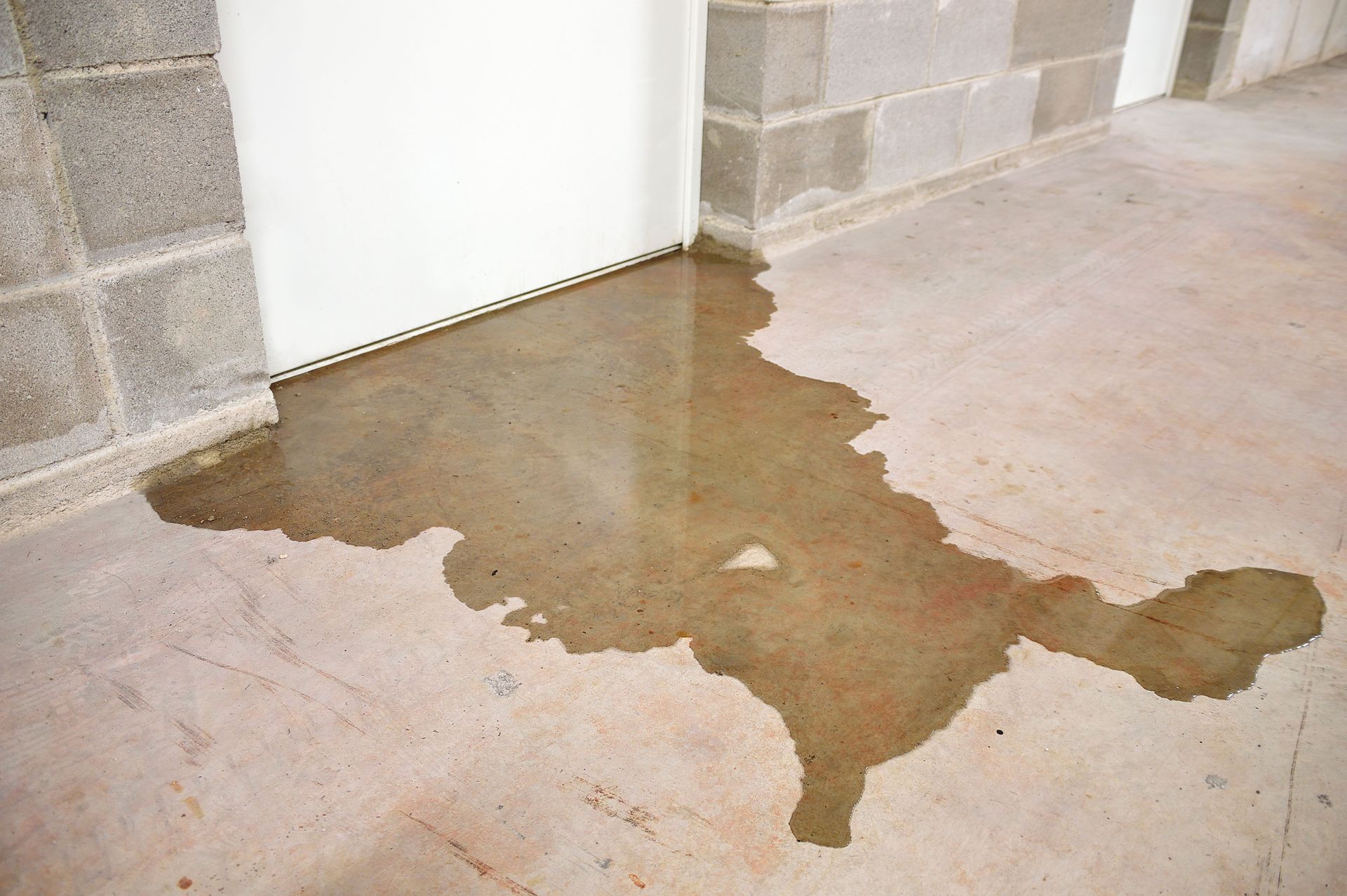
Older properties often rely on original exterior drain tile systems designed to carry excess groundwater away from footings. Over decades, these agricultural pipes or clay tiles can crush under earth loads or fill entirely with fine silt and tree roots. When sub-surface drainage lines fail, groundwater has nowhere to go and accumulates against the foundation base. This backed-up moisture causes water tables to rise directly alongside basement footings, increasing hydrostatic pressure against the lower walls. Without a clear discharge path, groundwater eventually finds any available path into interior living areas through wall joints or floor cracks. Working alongside skilled basement contractors allows homeowners to address sub-surface blockages through modern interior or exterior perimeter drainage solutions that maintain clear water paths.
Indoor Air Quality and Living Spaces
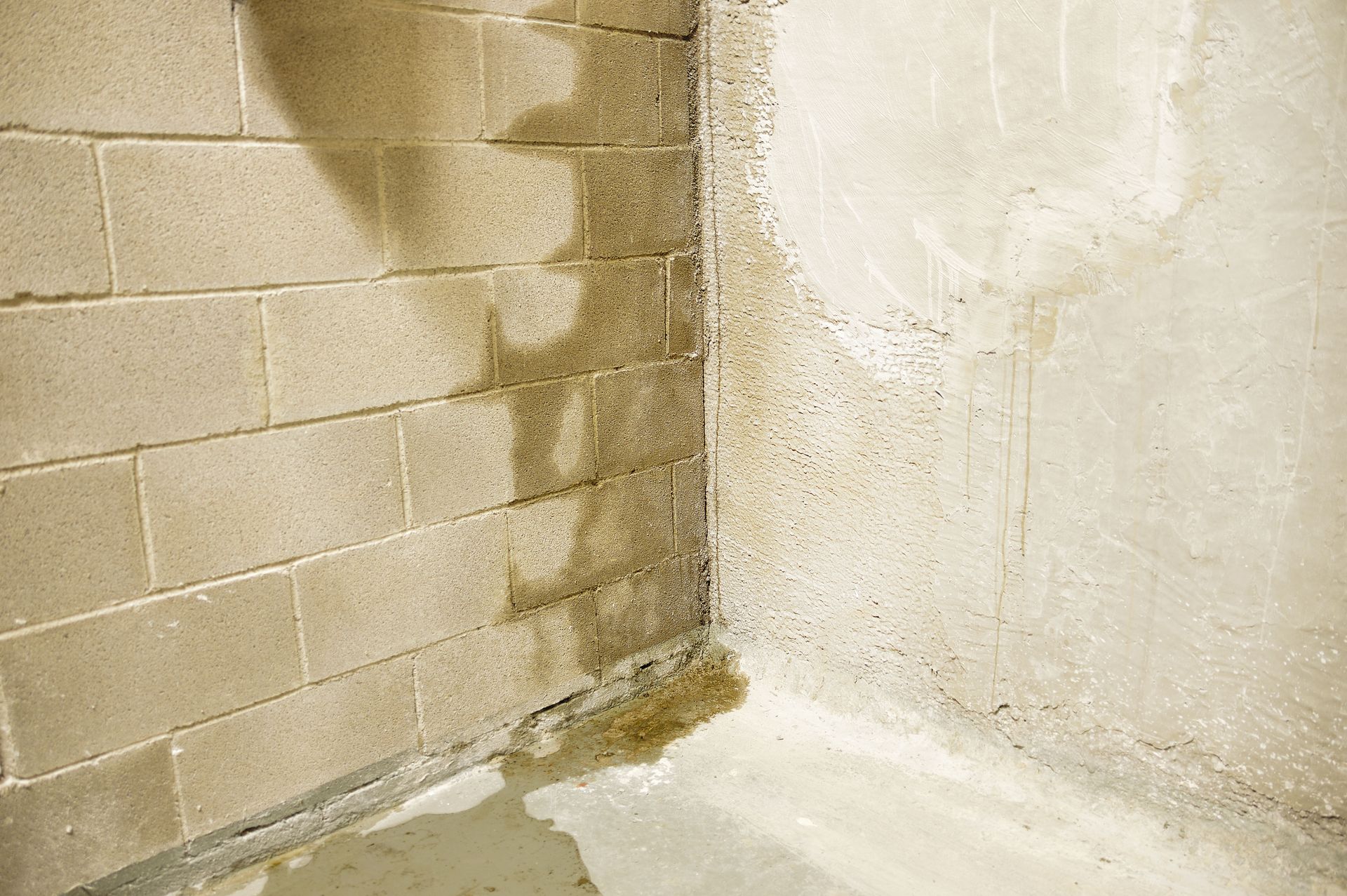
While bowing walls present an immediate structural hazard, poor drainage also damages the interior living environment. Water forced through wall cracks under high pressure elevates humidity levels in subterranean spaces, creating ideal conditions for mold, mildew, and wood rot. Damp basements compromise indoor air quality throughout the entire building due to upward air movement. High relative humidity can also degrade organic storage items, carpets, and drywall finishings located in finished lower levels. Airborne spores and musty odors easily travel through HVAC ducts, spreading throughout upper-level living areas. Reputable basement contractors understand that restoring wall stability and managing groundwater flow are two sides of the same coin when creating healthy subterranean living environments.
Comprehensive Perimeter Drainage Strategies
Resolving lateral wall deflection requires a complete strategy that combines structural reinforcement with active water redirection. Simply straightening or bracing a wall without fixing bad drainage leaves the root cause intact, allowing pressure to build again. Comprehensive solutions often involve subsurface sump basins, high-capacity drain boards, and perimeter drainage channels engineered to capture water before it reaches foundation walls. Qualified basement contractors can design customized, comprehensive systems tailored to a property's unique topography and moisture challenges.
Property Value and Long-Term Stability
Addressing moisture accumulation and wall deflection promptly protects a property's overall market value and longevity. Unaddressed foundation defects create major complications during home sales, often leading to steep value reductions or failed structural inspections. By proactively addressing drainage bottlenecks alongside wall stability issues, property owners secure the physical groundwork of the structure. Relying on professional basement contractors provides peace of mind that all structural assessments and water management strategies align with current building standards.
Bowing basement walls are a direct structural response to unmanaged groundwater and excessive lateral soil pressure. Neglecting poor drainage around a foundation allows hydrostatic forces to continuously push against masonry, leading to progressive bowing, severe cracking, and potential wall failure. Restoring wall integrity while establishing effective subterranean water management prevents ongoing structural movement and secures the property against future moisture damage. Taking proactive measures with professional guidance ensures the foundation remains strong, dry, and secure for years to come. For professional guidance and foundation solutions, contact Tennyson Construction Wet Basement Specialist to address your basement drainage and structural concerns.