June 12, 2026
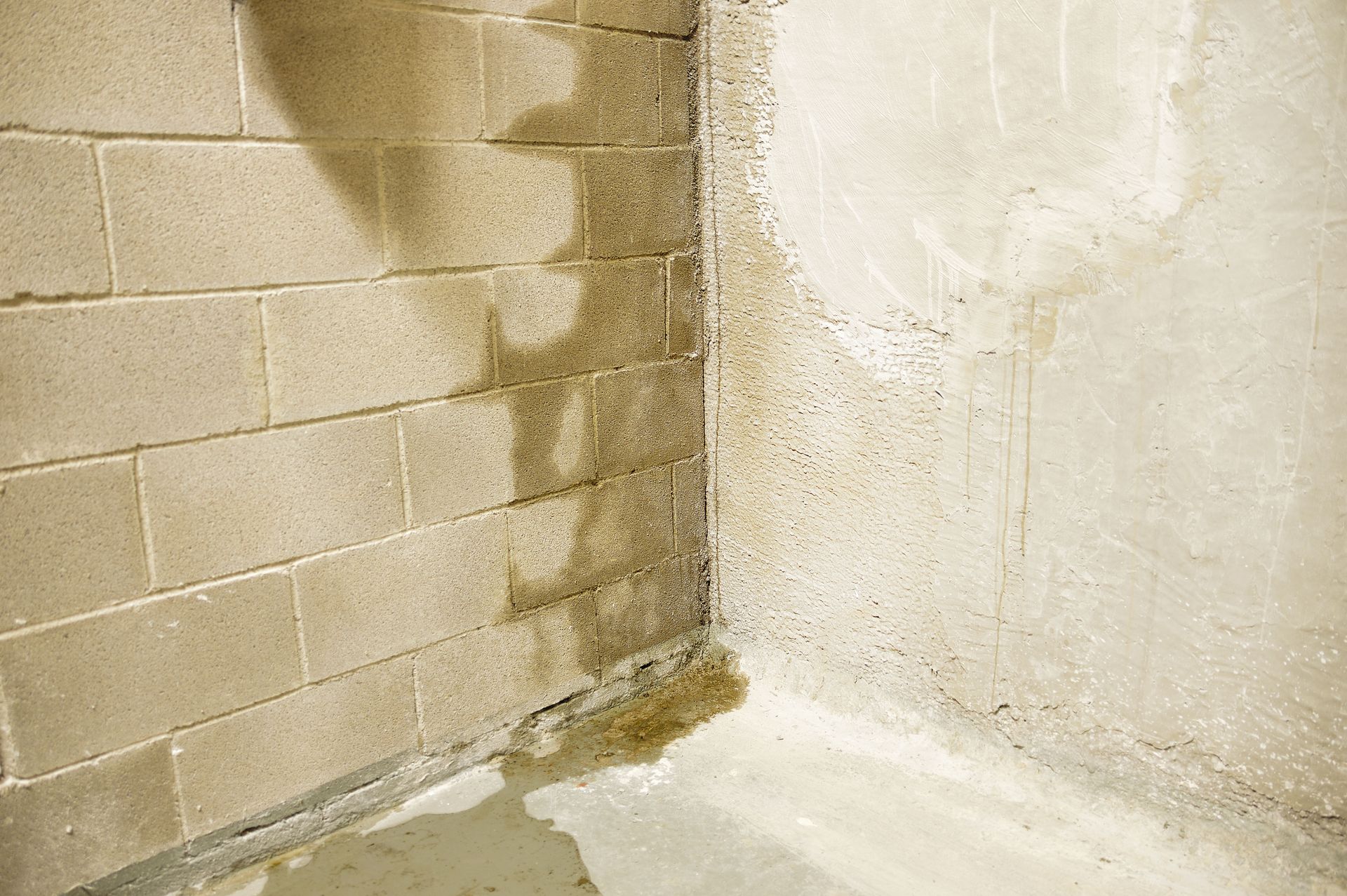
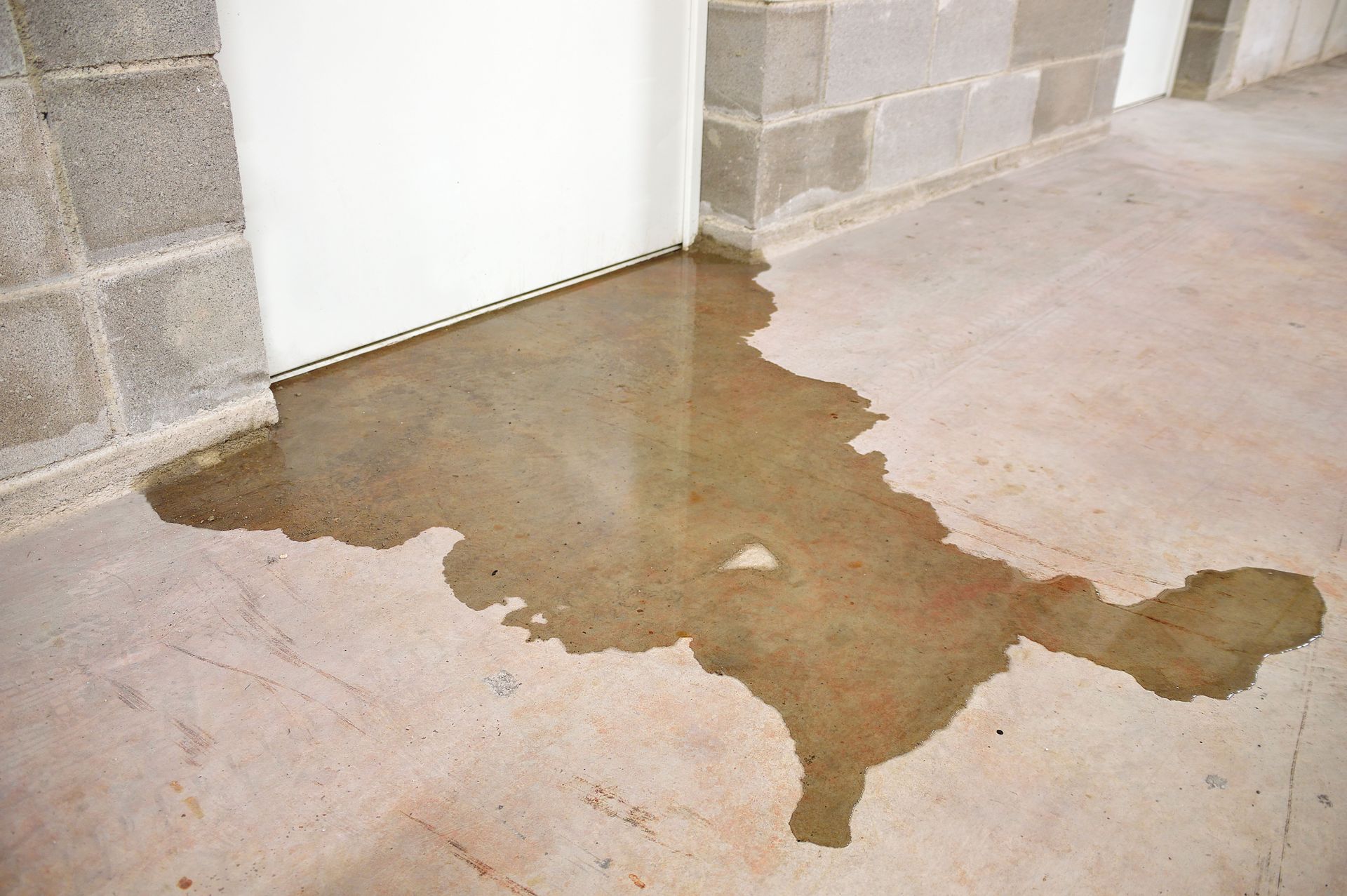
For homeowners, water in the basement can feel like one of the most stressful problems a property can have. It may start as a damp spot, a musty smell, or a thin line of moisture along the wall, but it can quickly raise concerns about mold, flooring damage, structural issues, and long-term property value.
Homeowners should look for someone who understands how water moves around a foundation, how drainage problems develop, and how different repair methods work together. Choosing a basement waterproofing contractor should be a careful, informed decision. The goal is not only to stop visible water today. A careful decision can reduce uncertainty before repairs begin. It is to understand what is causing the moisture, what solution fits the property, and how the work can help protect the home over time.
Evaluating the Source of the Water
Before hiring a basement waterproofing contractor, homeowners should understand that basement water issues can come from several directions. Some problems begin outside the home, where poor grading, clogged gutters, short downspouts, or saturated soil push water toward the foundation. Other issues may come from wall cracks, pressure beneath the floor, window wells, sump pump failure, or old drainage systems.
A strong evaluation should include more than a quick look at the wet area. The contractor should inspect the foundation, check for signs of hydrostatic pressure, and review interior and exterior drainage patterns. Moisture after heavy rain may point to a different issue than constant dampness throughout the year.
Homeowners should be cautious of one-size-fits-all answers. A contractor should explain why a certain approach is recommended and how it addresses the source of the problem. When the inspection is thorough, the final recommendation is usually easier to understand and compare.
Comparing Interior and Exterior Solutions
Basement waterproofing can involve interior systems, exterior systems, or a combination of both. Interior solutions may include drain tile, sump pumps, vapor barriers, wall systems, and crack repair. These methods are often designed to manage water after it reaches the foundation and direct it safely away from the basement.
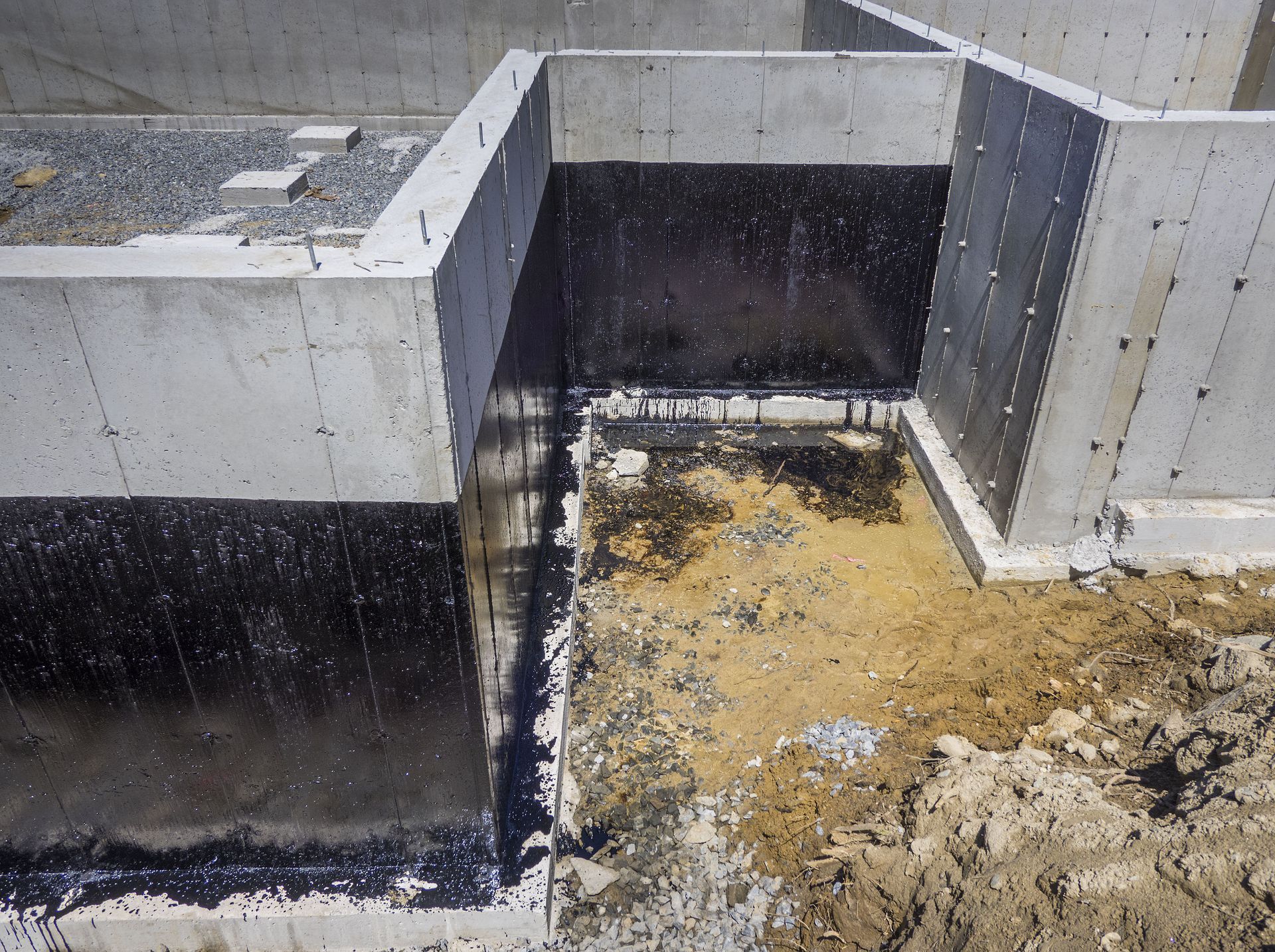
Exterior waterproofing focuses on stopping water before it enters. This may involve excavation, foundation wall sealing, exterior drain systems, grading improvements, or repairs to damaged foundation surfaces. According to This Old House, exterior basement waterproofing can take anywhere from one day to one week, depending on the size of the basement and the waterproofing method used. That range shows why homeowners should ask about the expected timeline before work begins.
A basement waterproofing contractor should help homeowners understand the benefits, limitations, disruption, and cost differences of each option. The best choice depends on the property, the source of the moisture, the condition of the foundation, and the homeowner’s long-term goals.
Reviewing Experience and Specialization
Waterproofing is a specialized area of home repair, so experience matters. A general contractor may understand many areas of construction, but a basement waterproofing contractor focuses specifically on moisture control, foundation drainage, sump systems, wall protection, and related repairs. That specialization can make a difference when diagnosing complex water problems or recommending a durable solution.
Homeowners can ask how long the contractor has worked with wet basements, what types of systems they install, and whether they have experience with homes similar in age, foundation type, and soil conditions. Older homes, block foundations, poured concrete walls, stone foundations, and homes built on sloped lots can all create different challenges.
The contractor should be comfortable explaining what problem was found, what solution was used, and why that solution worked for that situation. Clear explanations often show whether the contractor understands the work or is repeating a sales script.
Asking About Materials and Installation Methods
The quality of a waterproofing system depends on both the materials used and the way they are installed. A basement waterproofing contractor should be able to explain the products, pumps, drainage materials, membranes, sealants, and other components included in the proposal. Homeowners do not need every technical detail, but they should understand what is being installed and why it is appropriate for their basement.
For example, sump pump capacity, backup options, discharge placement, drainage channel design, and wall barrier selection can all affect performance. Details such as discharge placement or floor repair can also influence the finished result.
Homeowners should ask whether the system includes maintenance requirements. Some sump pumps need periodic testing, drains may need to remain clear, and exterior drainage features may depend on proper gutter care. A good waterproofing plan should include realistic guidance for keeping the system working after installation.
Understanding the Estimate and Warranty
A clear estimate helps homeowners compare contractors with confidence. The proposal should describe the problem, recommended work, materials, labor, timeline, cleanup expectations, and total cost. If the estimate is vague, it can be difficult to know what is actually included. A basement waterproofing contractor should provide enough detail for the homeowner to understand the scope before signing anything.
Price is important, but it should not be the only factor. A lower estimate may exclude important components, use a less complete approach, or leave the homeowner responsible for additional repairs later. The key is whether the recommendation matches the condition of the basement and addresses the source of the water.
Warranty terms should also be reviewed carefully. Homeowners should ask what is covered, how long coverage lasts, whether the warranty is transferable, and what maintenance steps are required. A warranty is more useful when it is written clearly and connected to specific work.
Preparing for the Project
Before work begins, homeowners should know what to expect inside and outside the home. A basement waterproofing contractor may need access to walls, floors, utility areas, exterior foundation sections, landscaping, driveways, or sump discharge locations.
Homeowners should also ask about noise, dust control, debris removal, and cleanup. Interior drainage work may involve breaking sections of concrete, while exterior work may require excavation near the foundation. Understanding these steps ahead of time makes the process less overwhelming and helps the homeowner plan around the project.
Communication is also important during waterproofing work. The contractor should explain who will be on-site, how updates will be handled, and what happens if unexpected conditions are found. Because foundation and drainage problems can reveal hidden issues, homeowners benefit from clear communication before changes are made to the original plan.
Choosing Long-Term Protection
The right waterproofing decision should help protect the basement beyond the next storm. A basement waterproofing contractor can help homeowners think about moisture control as part of overall home maintenance. That may include improving drainage, repairing cracks, managing humidity, testing sump pumps, adjusting grading, and keeping gutters and downspouts working properly.
Homeowners should feel comfortable asking questions and comparing options before committing to a project. A good contractor will not pressure them into a fast decision or avoid explaining the details. Instead, they will connect the recommendation to the home’s actual conditions and help the homeowner understand what the work is meant to accomplish.
Choosing a basement waterproofing contractor is ultimately about finding the right solution for the property, not just reacting to visible water. When homeowners understand the source of the problem, the available repair methods, the expected timeline, and the warranty details, they can make a more confident decision. Call Tennyson Construction Wet Basement Specialist today to schedule your basement waterproofing service.