June 12, 2026
A noticeable surge has occurred in the number of homeowners investing in basement waterproofing services. This trend is driven by an increasing awareness of how integral a dry basement is to a property's overall value and livability. By taking proactive steps to manage moisture, property owners can prevent costly water damage, create healthier living spaces, and potentially increase their home's market value. Issues such as mold growth, water intrusion, and structural instability are all effectively addressed through comprehensive waterproofing solutions. As more people recognize these benefits, the demand for professional basement waterproofing services continues to rise across the region.
Managing Hydrostatic Pressure
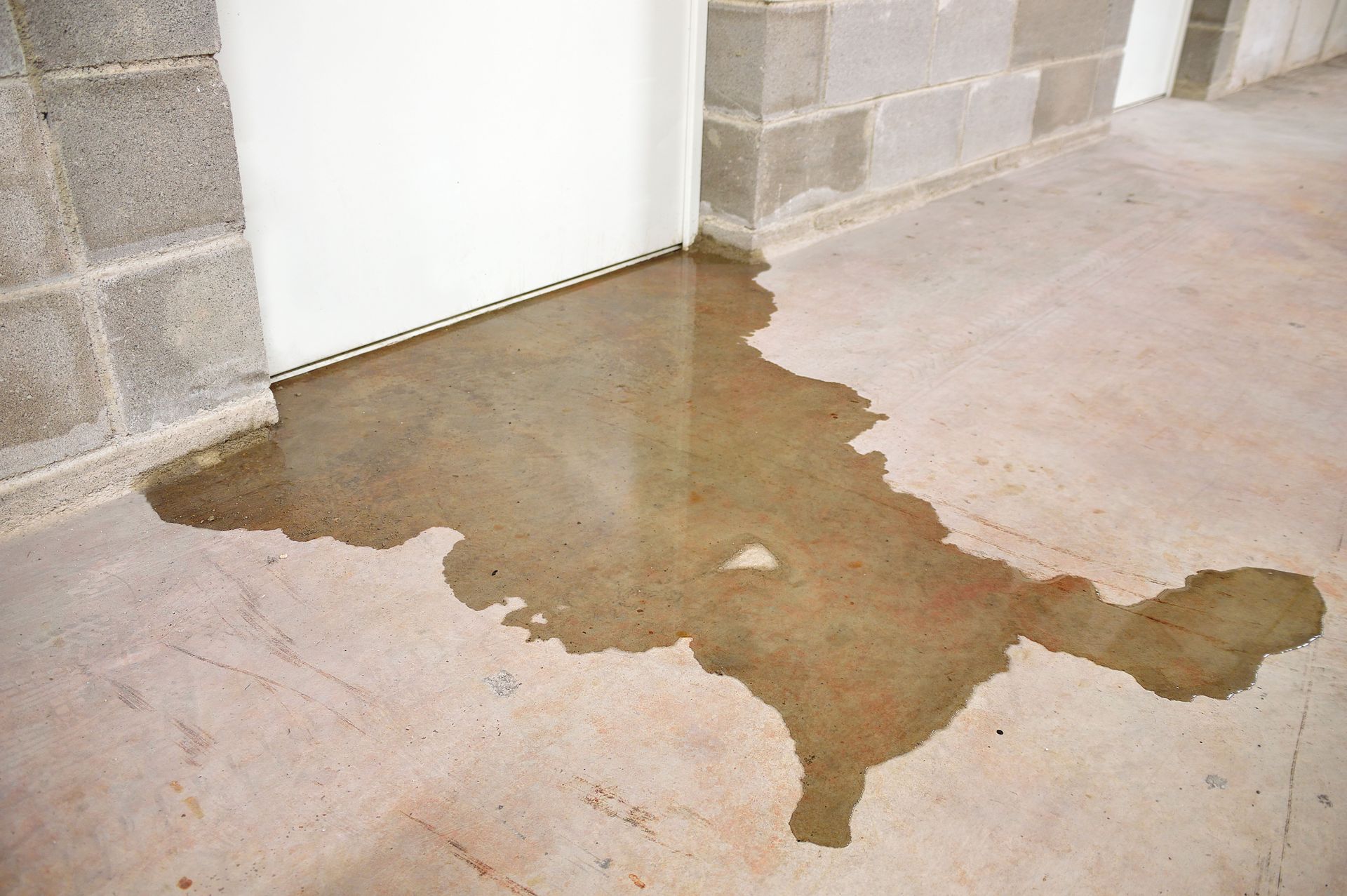
Hydrostatic pressure refers to the force exerted by standing or underground water upon a structure, particularly against basement walls. This pressure accumulates rapidly after heavy rainfall or significant snowmelt, as water tables rise and saturation levels around the foundation increase. When the external pressure exceeds the resistance capability of the concrete materials, it leads to active water infiltration or potential structural shifting. Hydrostatic pressure remains a primary concern in areas with high water tables or dense clay soils, emphasizing the need for robust defensive measures. Without proper management, it significantly undermines basement strength and threatens overall home integrity over time.
Effective management of hydrostatic pressure involves integrating comprehensive basement waterproofing services that alleviate the physical stress placed on the foundation. Sub-floor French drains, high-capacity sump pumps, and exterior waterproof membranes are all viable techniques used to counteract this relentless pressure. French drains divert sub-surface water away before it can pool, sump pumps eject excess interior water safely away from the home, and waterproof membranes seal walls against active infiltration. Combining these strategies minimizes the potential for pressure-induced structural failures, maintaining the basement's dryness, health, and durability for decades.
Sealing Foundation Cracks
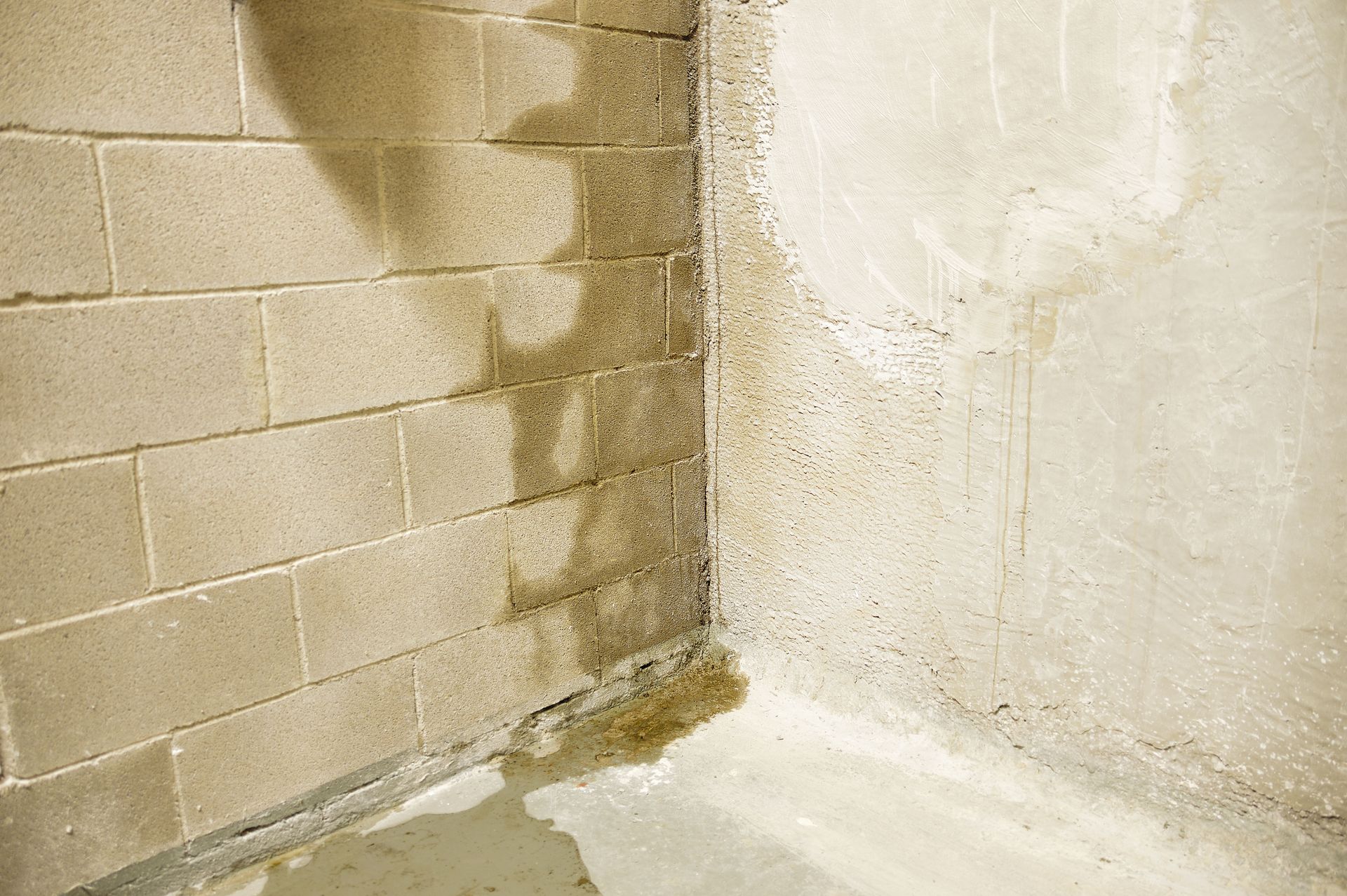
Cracks in foundation walls often serve as an immediate entry point for moisture, exacerbating standard basement water issues. These fissures form due to shifting earth, seasonal temperature fluctuations, or standard structural settling over time. Without timely intervention, they allow significant amounts of water to infiltrate the basement during heavy rainstorms or rapid winter snow melts. Foundation settling is a natural process, but it needs to be monitored closely, and any new cracks must be promptly sealed. Ignoring these early warning signs can lead to more severe structural problems, requiring extensive tie-backs, piers, and higher repair costs.
The process of formation and expansion of foundational cracks is often gradual, making it easy to overlook during dry seasons. Homeowners might notice minor seeping or damp patches during the spring, disregarding them as temporary inconveniences. However, consistent water intrusion through such cracks results in mold growth, damage to interior finished walls, and progressive structural weakness. Recognizing and addressing these issues with professional basement waterproofing services prevents the development of larger, more catastrophic structural concerns. A dedicated focus on crack repair contributes significantly to maintaining a dry, secure lower level.
Correcting Landscape Grading
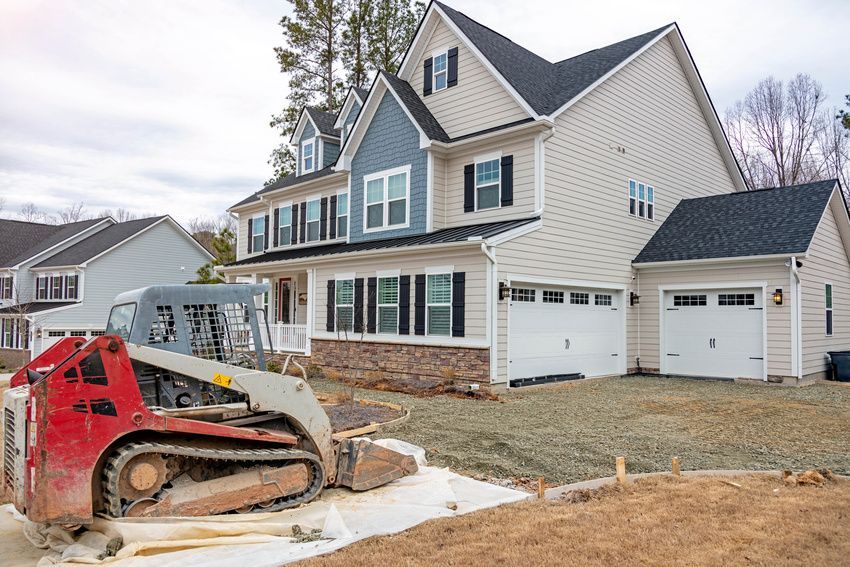
Improper slope and grading can exacerbate residential water issues by actively directing surface water toward rather than away from a home's foundation. The land immediately surrounding a house should typically slope downward away from the structure to prevent rainwater from collecting near the concrete footings. If the land is flat, hollowed, or incorrectly sloped, water will pool around the foundation's base, leading to rapid soil saturation and basement flooding. Correcting this often requires re-evaluating the landscape design and shifting topsoil to establish a proper fall line. Addressing these issues forms an essential exterior component of a holistic waterproofing strategy.
The destructive effects of improper grading are often compounded when combined with inadequate exterior drainage systems, creating a daunting water management challenge. Incorrect grading aggravates the accumulation of water close to the foundation, drastically increasing the risk of severe water infiltration through the cold joints. In cases where significant land restructuring is necessary, a professional engineering assessment may identify the best mechanical approach to redirecting surface water. Property owners often need to work with landscape architects to develop a customized plan that resolves both slope and drainage deficiencies simultaneously.
Regularly assessing the home's surrounding landscape is vital to ensuring that topsoil grading continues to function as intended over the seasons. Over time, soil erosion, decaying tree roots, and environmental changes can alter the landscape, compromising previously effective grading efforts. Homeowners should make a habit of inspecting their property's perimeter slope after major storms and seek professional advice when pooling occurs. By being proactive with landscape evaluations, residents can maintain adequate surface water management and reduce the likelihood of water penetration into their subterranean spaces.
Maintaining Drainage Systems
One of the most frequent causes of lower-level water issues is a failure in the residential drainage systems. If roof and surface water is not properly directed away from a home's foundation, it accumulates quickly in the backfill soil and exerts immense pressure on the basement walls. This pressure leads to micro-fractures, allowing water to seep into the interior finished spaces. Effective drainage systems, including proper trenching, gutter systems, and exterior French drains, help guide excess water completely away from the structural perimeter. Homeowners without these functional systems remain far more susceptible to severe water damage.
Inadequate drainage often stems from clogged foundation drains or roof gutters that become completely overwhelmed during torrential downpours. When these mechanical systems fail to channel water adequately, it leads to excessive pooling around the house, threatening the basement with severe leakage risks. Ensuring regular cleaning and seasonal maintenance of gutters and drains is crucial in mitigating this kind of water threat. Furthermore, installing additional drainage solutions like downspout extensions can effectively redirect the flow of water multiple feet from the foundation, preventing localized soil saturation.
Improper drainage may go unnoticed for years until it manifests as severe water issues or musty odors in the basement. Therefore, integrating interior basement waterproofing services with exterior drainage upgrades serves as a comprehensive approach to safeguarding properties. A targeted drainage strategy, advised by structural experts, ensures the long-term sustainability and comfort of the lower living environment. Investing in proper drainage maintenance is pivotal to preventing the initial stages of water intrusion, preserving structural integrity, and protecting the owner's long-term peace of mind.
Applying Protective Coatings
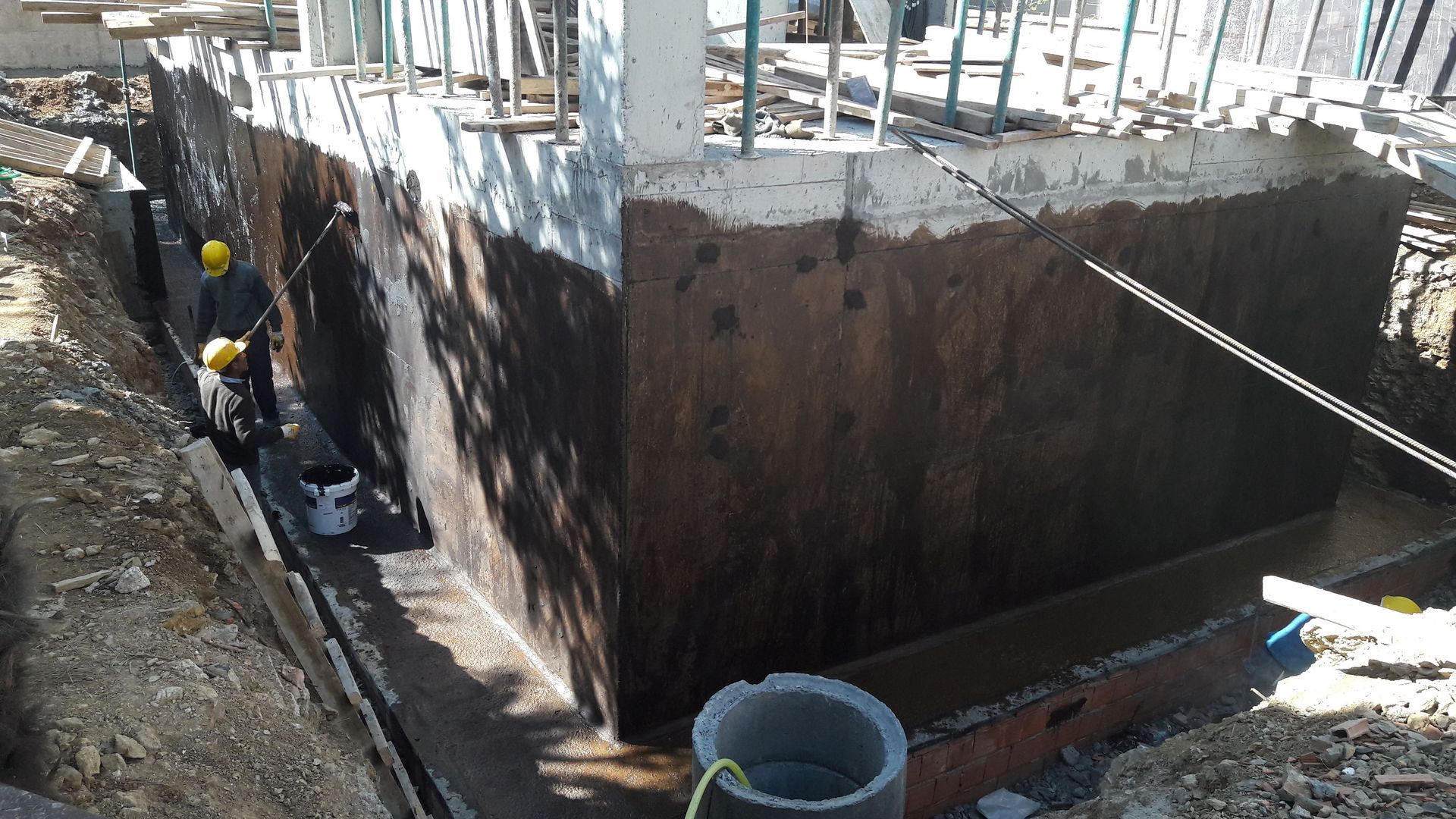
Interior waterproofing solutions often utilize specialized coatings to form an immediate barrier against moisture transmission through porous masonry walls. These solutions include the application of heavy-duty hydraulic cements and specialized waterproof paints designed to prevent vapor and dampness from penetrating basement walls. Sealants act as an impermeable layer on interior concrete surfaces, reducing the risk of minor moisture infiltration and efflorescence. According to This Old House, waterproof paint should be reapplied every five to ten years. This periodic reapplication ensures continuous protection against rising humidity levels and capillary seepage.
Waterproof coatings are a highly popular choice for property owners seeking an efficient and straightforward method of internal moisture control. These paints create a seamless barrier along the masonry, helping to keep the interior air dry and reducing the musty smells associated with damp basements. However, it is important to understand that surface coatings are best utilized as a secondary line of defense rather than a standalone cure for major flooding. When hydrostatic pressure is high, water can eventually push through surface coatings if underlying drainage issues are left completely unaddressed.
Beyond insurance savings, robust waterproofing also wards off complex liability issues related to sudden water damage and indoor mold accumulation. Homes with untreated mold resulting from water invasion must often undergo expensive remediation to meet safety standards, especially when tenants or guests are involved. By ensuring proper waterproofing protections are in place, landlords and homeowners avoid the liabilities or legal repercussions that arise when environmental problems go unattended. For more information about the services that we offer, reach out to our incredible team at Tennyson Construction Wet Basement Specialist today!