November 19, 2026
Understanding the crucial role of foundation contractors in maintaining the integrity of a home is vital, especially when it comes to preventing future basement leaks. This article explores the systematic approach a professional contractor undertakes to protect basements from water damage. Foundation contractors play a pivotal role in identifying vulnerabilities and implementing preventive measures to safeguard a home's foundation. Their expertise not only saves homeowners from potential financial burden but also contributes to the long-term durability and value of the property. Through strategic planning, robust systems, and homeowner education, contractors provide comprehensive solutions to maintain dry and secure basements.
1. Evaluation and Inspection of the Basement
1.1 Initial Assessment of Current Conditions
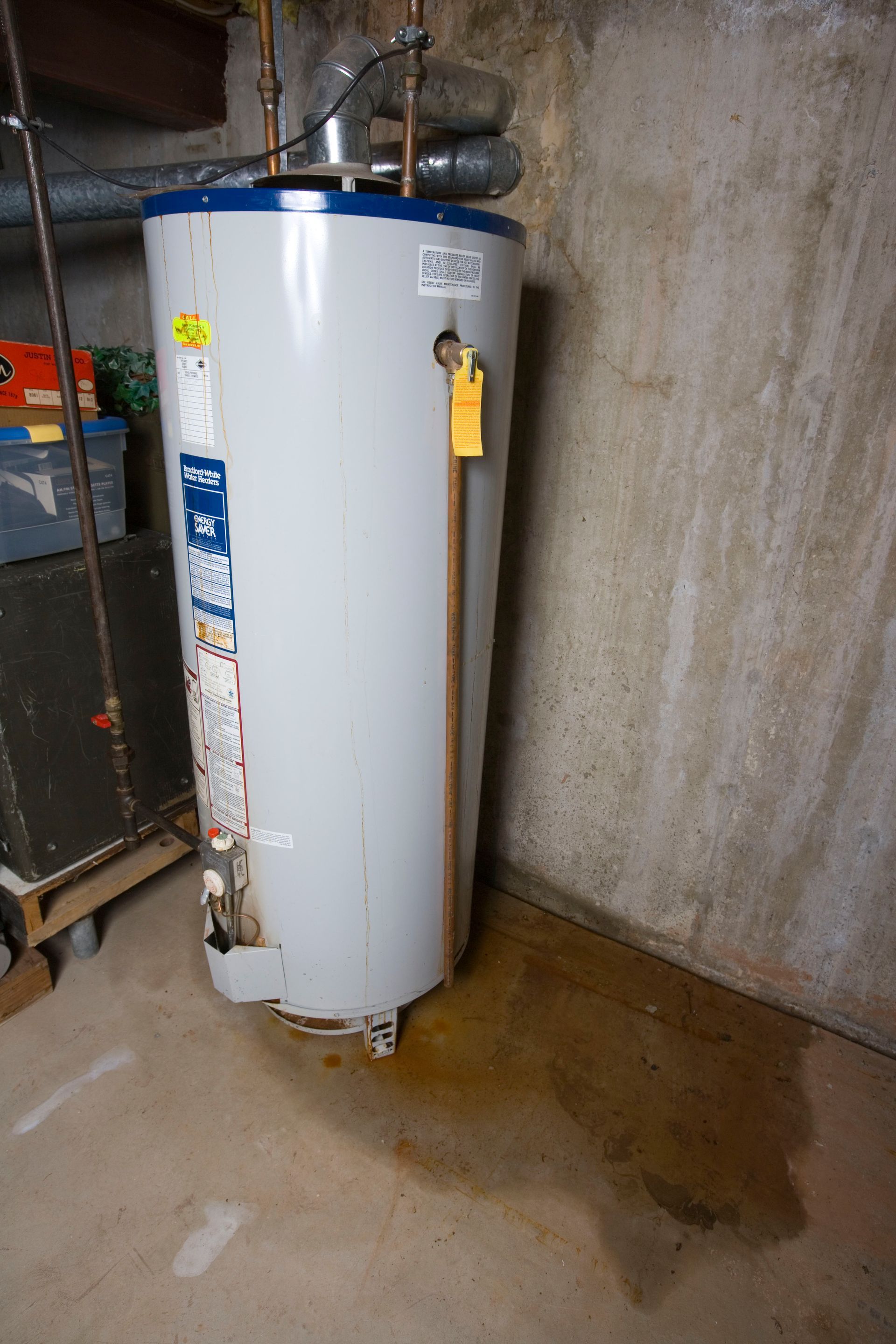
The first step a foundation contractor takes in preventing basement leaks is conducting a thorough initial assessment of the current conditions of the basement. This involves checking for any existing water damage, cracks, or signs of wear that could lead to future leaks. Foundation contractors inspect both the interior and exterior of the basement to gain a complete understanding of its condition. They make note of any potential problem areas such as moisture accumulation, structural weaknesses, or inadequate drainage. By starting with a detailed evaluation, foundation contractors can develop an informed strategy to address existing and potential issues.
1.2 Identifying Potential Weak Spots
During the inspection phase, foundation contractors pay close attention to identifying potential weak spots that could compromise the basement's integrity. Factors such as foundation cracks, poor grading, and improper drainage are meticulously evaluated. These vulnerabilities can serve as entry points for water, leading to significant damage over time. The identification of these weak spots allows contractors to tailor their solutions to the specific needs of the basement. By addressing these issues early, homeowners can prevent more severe problems and costly repairs in the future.
1.3 Utilizing Modern Tools for Accurate Diagnosis
Modern tools and technologies play a significant role in enhancing the accuracy of diagnostics during basement inspections. Foundation contractors use advanced equipment such as moisture meters, thermal imaging cameras, and laser levels to obtain precise measurements and detect hidden issues. These tools help in identifying areas of moisture infiltration, even if they are not immediately visible to the naked eye. By leveraging technology, foundation contractors can provide homeowners with a comprehensive understanding of the basement's condition. This data-driven approach ensures that no potential problem goes unnoticed, enabling effective preventive strategies.
2. Planning and Designing an Effective Water Management System
2.1 Understanding Soil and Water Table Levels
Understanding the soil and water table levels surrounding the property is crucial for designing an effective water management system. Soil characteristics such as composition and permeability influence how water interacts with the foundation. Contractors analyze these factors to determine the best approach for preventing water intrusion. Similarly, knowledge of the local water table level helps in designing systems that can effectively handle potential water pressure. According to HomeGuide, key factors like soil conditions and installation quality affect overall durability, but interior French drains and sump pumps typically endure for 20 to 30 years with regular care.
2.2 Blueprinting Customized Drainage Solutions
Once the soil and water table analysis is complete, contractors move on to blueprinting customized drainage solutions. These plans consider the unique layout and requirements of each property, ensuring effective water diversion away from the foundation. Systems such as French drains or surface drains are designed and strategically placed to handle excess water efficiently. The customization of drainage solutions ensures optimal performance in preventing water accumulation around the basement. A well-designed drainage system is a key component in maintaining the long-term integrity of the foundation.
2.3 Integrating Surface Water Diversion Techniques
In addition to subsurface drainage, integrating surface water diversion techniques is essential for comprehensive water management. Techniques such as grading, landscaping, and gutter systems are employed to redirect surface water away from the foundation. Contractors work closely with landscapers and structural engineers to ensure these measures complement the overall drainage plan. By effectively managing surface water, the risk of water penetration into the basement is significantly reduced. These techniques serve as the first line of defense against moisture-related issues.
3. Implementing Preventive Measures
3.1 Installing Sump Pumps and Backup Systems
Installing sump pumps and backup systems is an effective preventive measure that safeguards basements from potential leaks. Sump pumps work by collecting excess water from around the foundation and pumping it away from the property. Backup systems ensure continued operation during power outages, providing an added layer of protection. Regular maintenance and testing of these systems are crucial for ensuring their long-term effectiveness in preventing water damage.
3.2 Exterior Waterproofing Membrane Applications
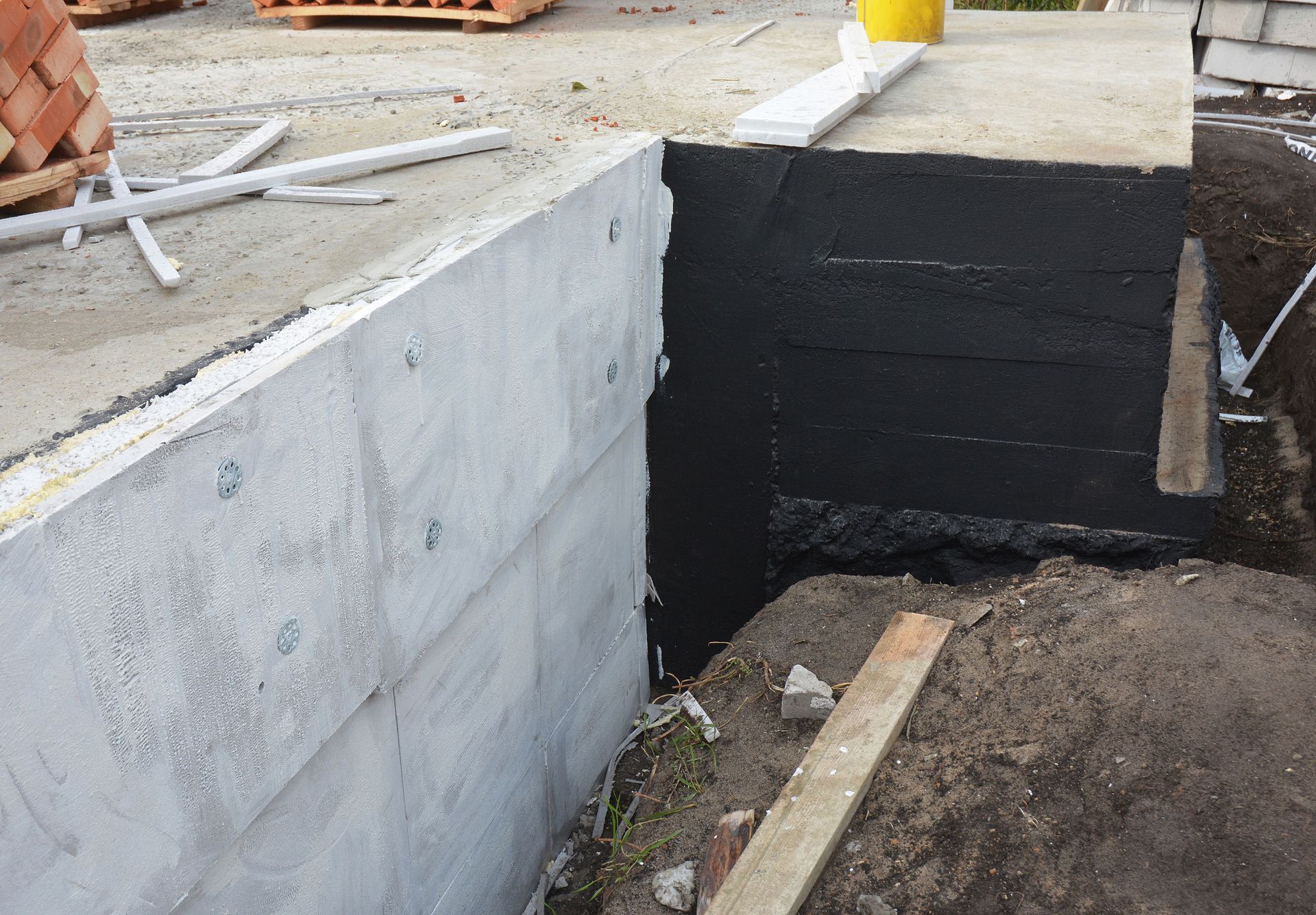
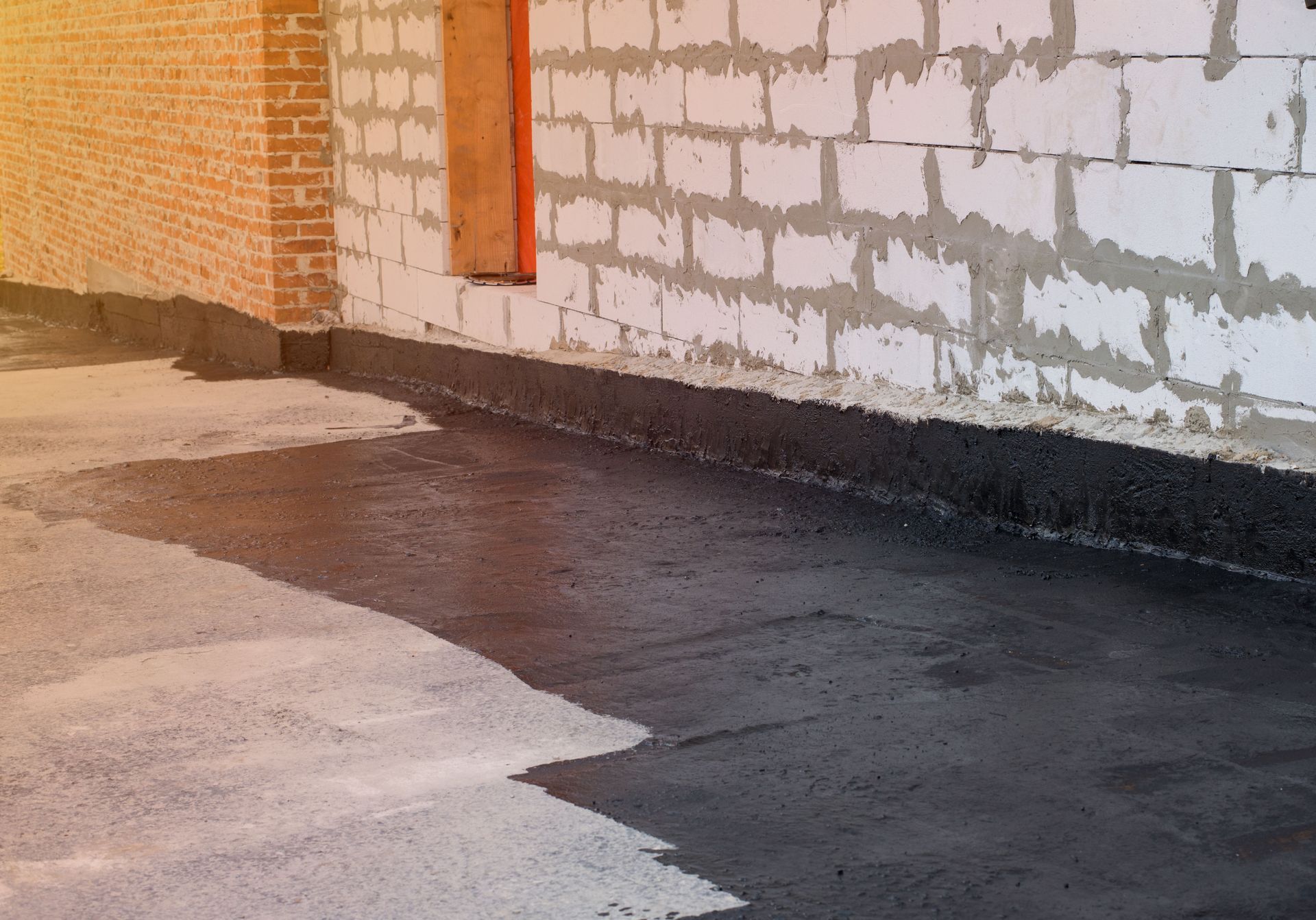
Exterior waterproofing membranes act as a barrier that prevents water from penetrating the basement walls. Contractors apply these membranes to the exterior surface of foundation walls, offering protection against water infiltration. This proactive measure is particularly effective in homes located in regions with heavy rainfall or high-water tables. The application process is meticulous, requiring attention to detail to ensure complete coverage and adhesion. By investing in exterior waterproofing, homeowners can significantly reduce the risk of moisture-related issues and structural damage.
3.3 Sealing Cracks and Potential Leak Areas
Sealing cracks and potential leak areas is a vital step in preventing future basement leaks. Contractors use specialized sealants to fill cracks in foundation walls and floors, creating a watertight barrier. Addressing these vulnerabilities early prevents minor issues from escalating into major problems. Sealing is often combined with other waterproofing measures to provide comprehensive protection against water intrusion. Regular inspections and maintenance ensure that any new cracks or vulnerabilities are promptly addressed, maintaining the integrity of the basement's defenses.
4. Case Studies and Success Stories
4.1 Real-Life Examples of Effective Systems
Case studies and success stories provide tangible examples of effective basement waterproofing systems. These real-life scenarios highlight the challenges faced by homeowners and the solutions implemented by foundation contractors. Through detailed analysis of these cases, readers gain insight into the practical application of preventive measures. By showcasing successful outcomes, contractors illustrate the impact of comprehensive water management strategies. These examples serve as a testament to the effectiveness of professional interventions in preventing basement leaks.
4.2 Lessons Learned from Past Challenges
Analyzing past challenges and their resolutions offers valuable lessons for homeowners and contractors alike. Experiences from previous projects provide insights into common pitfalls and opportunities for improvement. Foundation contractors learn from these experiences and refine their techniques to enhance the effectiveness of their solutions. By sharing these lessons, contractors contribute to the advancement of industry best practices in basement waterproofing. Homeowners benefit from understanding how proactive measures can mitigate risk and prevent future issues.
4.3 Highlighting Cost-Effective Solutions
Case studies often highlight cost-effective solutions that deliver significant benefits in preventing basement leaks. Contractors explore budget-friendly strategies that do not compromise on effectiveness or quality. Cost-effective measures such as strategic drainage placement and preventive maintenance can yield substantial long-term savings. These solutions offer homeowners a balance between affordability and reliable protection. By emphasizing cost-effective approaches, contractors make preventive measures accessible to a wider range of homeowners.
By taking a comprehensive approach involving evaluation, strategic planning, and thorough implementation, foundation contractors can significantly mitigate the risk of basement leaks in the future. Not only do they provide essential preventive measures, but they also empower homeowners with the knowledge and tools necessary to maintain a dry, worry-free basement environment. Through education, innovation, and collaboration, foundation contractors play a vital role in preserving the integrity and value of homes. As exemplified in case studies and real-life success stories, proactive water management systems offer peace of mind and lasting protection against potential water damage. If you're looking for expert foundation services, contact Tennyson Construction Wet Basement Specialist today.