November 14, 2026
A damp basement is more than an aesthetic nuisance; it represents an ongoing threat to the structural integrity and indoor environmental quality of an entire residence. Subterranean levels inherently remain vulnerable to moisture infiltration due to surrounding soil saturation, hydrostatic pressure, and natural temperature differentials. When excess dampness settles into subgrade areas, it establishes an environment where microscopic fungi readily flourish. Fungal proliferation poses serious challenges for homeowners, compromising framing materials, personal belongings, and overall indoor air circulation. Addressing these challenges requires strategic interventions tailored to subterranean moisture management. Engaging a qualified basement waterproofing contractor provides homeowners with comprehensive solutions designed to eliminate unwanted moisture at the point of origin, thereby halting the spread of harmful spores.
Understanding Moisture Vulnerability and Fungal Contamination
The correlation between subterranean water seepage and fungal contamination is widespread across residential properties nationwide. According to the Spruce, roughly six out of ten American households contend with moisture troubles in below-ground levels, leaving more than a third vulnerable to substantial fungal development. Fungi require organic food sources, warmth, and persistent moisture to thrive. While wood studs, drywall paper, and concrete dust provide ample nourishment, dampness serves as the primary catalyst for spore germination. Without direct moisture control, spores spread through foundational floor joists, travel upward through HVAC vents, and degrade overall living spaces.
Mitigating this risk necessitates an understanding of how water enters foundational structures. Groundwater naturally expands and contracts based on regional weather patterns, seasonal snowmelt, and rain events. When soil becomes saturated, it exerts immense hydrostatic pressure against concrete surfaces, forcing liquid through micro-fissures, porous masonry blocks, and cold joints. Once liquid breaches the interior perimeter, relative humidity spikes, facilitating the rapid growth of hazardous colonies. A seasoned basement waterproofing contractor understands these dynamics and implements specialized interventions that halt moisture infiltration before environmental contamination takes hold.
1. Intercepting Water Ingress With Subfloor Drainage Systems
Subfloor drainage systems represent one of the most effective methods for intercepting groundwater intrusion before it manifests as ambient humidity or standing water. Hydrostatic pressure beneath concrete slabs frequently forces water through slab-wall seams, wetting structural materials and accelerating mold proliferation along baseboards and framing.
Managing Subterranean Hydrostatic Pressure
Hydrostatic force remains a primary driver of basement dampness. When heavy precipitation saturates the subsoil beneath footings, trapped water searches for any pathway of least resistance. Perforated drain tile systems installed along interior perimeters intercept this rising water table beneath the slab line. By redirecting migrating water away from wall-floor joints into designated collection channels, these drainage networks eliminate pooling water, thereby depriving mold spores of the standing moisture required for rapid germination.
Discharging Groundwater via Sump Basins
Once subfloor drainage channels gather subsurface moisture, that liquid requires immediate, reliable expulsion away from the building perimeter. High-capacity sump basins paired with reliable pumps lift collected water up and discharge it well beyond foundational footings. By constantly moving collected groundwater out of the interior envelope, these mechanical systems ensure moisture never stagnates within the substructure, preventing the humid microclimates where microbial colonies typically thrive.
2. Sealing Masonry Surfaces With Interior Moisture Barriers
Porous building materials such as poured concrete and concrete masonry units readily absorb moisture from damp soil, transmitting vapor inward through capillary action. This persistent wicking process raises relative humidity within subterranean rooms, providing sufficient moisture for fungal spores to colonize concrete walls, base plates, and drywall.
Blocking Capillary Vapor Transmission
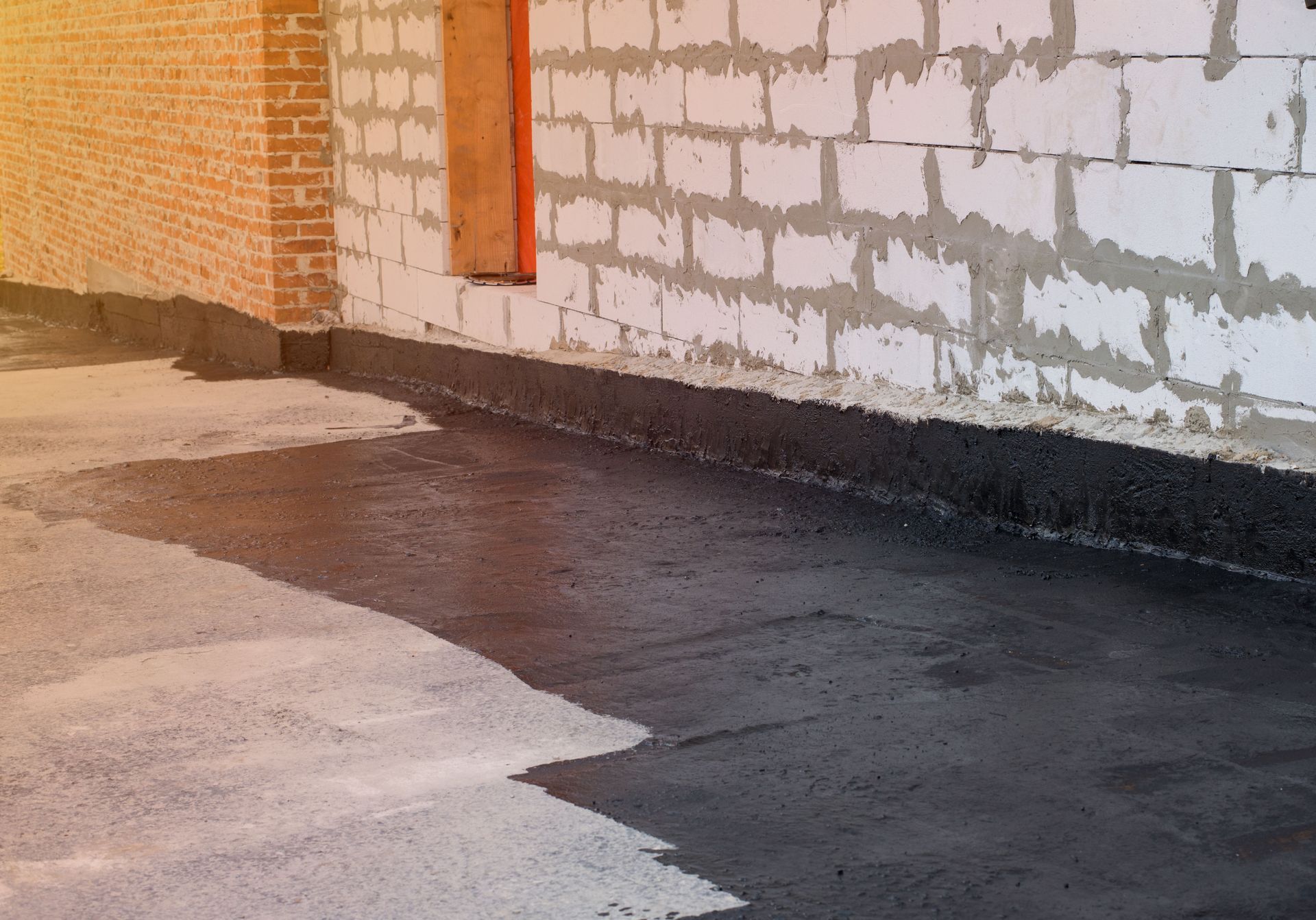
Concrete is inherently porous, filled with microscopic capillaries that draw dampness inward from surrounding soil. A basement waterproofing contractor applies dense polymer vapor barriers and non-permeable sealants directly to interior masonry surfaces to block capillary passage. Sealing these porous faces arrests continuous vapor migration, keeping concrete surfaces dry and preventing airborne fungal spores from settling onto damp surfaces.
Isolating Wall Drainage Channels
In masonry block walls, water often gathers within internal hollow cores before leaking inward. Wall-mounted moisture membranes capture weeping water behind a protective shield, directing it downward into subfloor drainage tracks without allowing it to contact interior air. Isolating this drainage behind sealed barriers keeps indoor air dry and prevents fungal growth from taking root across exposed wall surfaces.
3. Stabilizing Foundation Walls to Close Water Pathways
Structural movement frequently creates fissures in foundation walls, providing direct channels for liquid infiltration during heavy rain. Soil expansion, settling, and shifting cause stress cracks that allow water to bypass masonry defenses and saturate surrounding organic building components.
Securing Lateral Wall Integrity
Expansive soils exert powerful lateral pressure on exterior foundation walls, causing inward bowing, shearing, and block separation. Addressing structural wall movement by reinforcing foundation walls prevents the widening of stress fractures where water enters. By stabilizing foundational components and halting inward lateral movement, structural reinforcement prevents repeated water intrusion that routinely feeds hidden mold colonies inside framed cavities.
Sealing Structural Wall Fractures
Even minor hairline fractures can admit significant moisture under exterior soil pressure. Professional technicians inspect foundation walls to identify all points of stress cracking, injecting resilient structural polymers and specialized sealants that bond fissures along their entire depth. Sealing these pathways restores continuous wall integrity, eliminating localized wet spots that support persistent fungal growth.
4. Regulating Indoor Air via Mechanical Dehumidification
Controlling liquid water is critical, but ambient relative humidity also plays a substantial role in fungal development. Even after standing water has been diverted, underground spaces tend to retain elevated humidity due to cooler ambient temperatures and limited natural ventilation.
Lowering Relative Indoor Humidity
Mold spores remain dormant when relative humidity stays below fifty percent, but they germinate quickly when humidity levels exceed sixty percent. Whole-basement dehumidifiers remove gallons of moisture vapor from the air daily, maintaining stable moisture levels that inhibit fungal activity. Sustained humidity regulation ensures that joists, subflooring, and storage items remain dry year-round.
Enhancing Whole-Structure Air Quality
Air inside subterranean levels naturally rises through residential living spaces via the stack effect. When high humidity and active fungal spores linger in lower levels, they travel upward into living rooms, bedrooms, and kitchens. Dedicated humidity management systems maintain clean, dry air circulation, protecting living areas above from stale air and airborne fungal contaminants.
5. Applying Exterior Excavation and Moisture Membranes
While interior measures effectively control infiltrating moisture, exterior moisture management stops groundwater before it ever penetrates outer foundational masonry. Exterior damp-proofing barriers and footing drains create an impenetrable defensive boundary against soil saturation.
Installing Subsurface Exterior Membranes
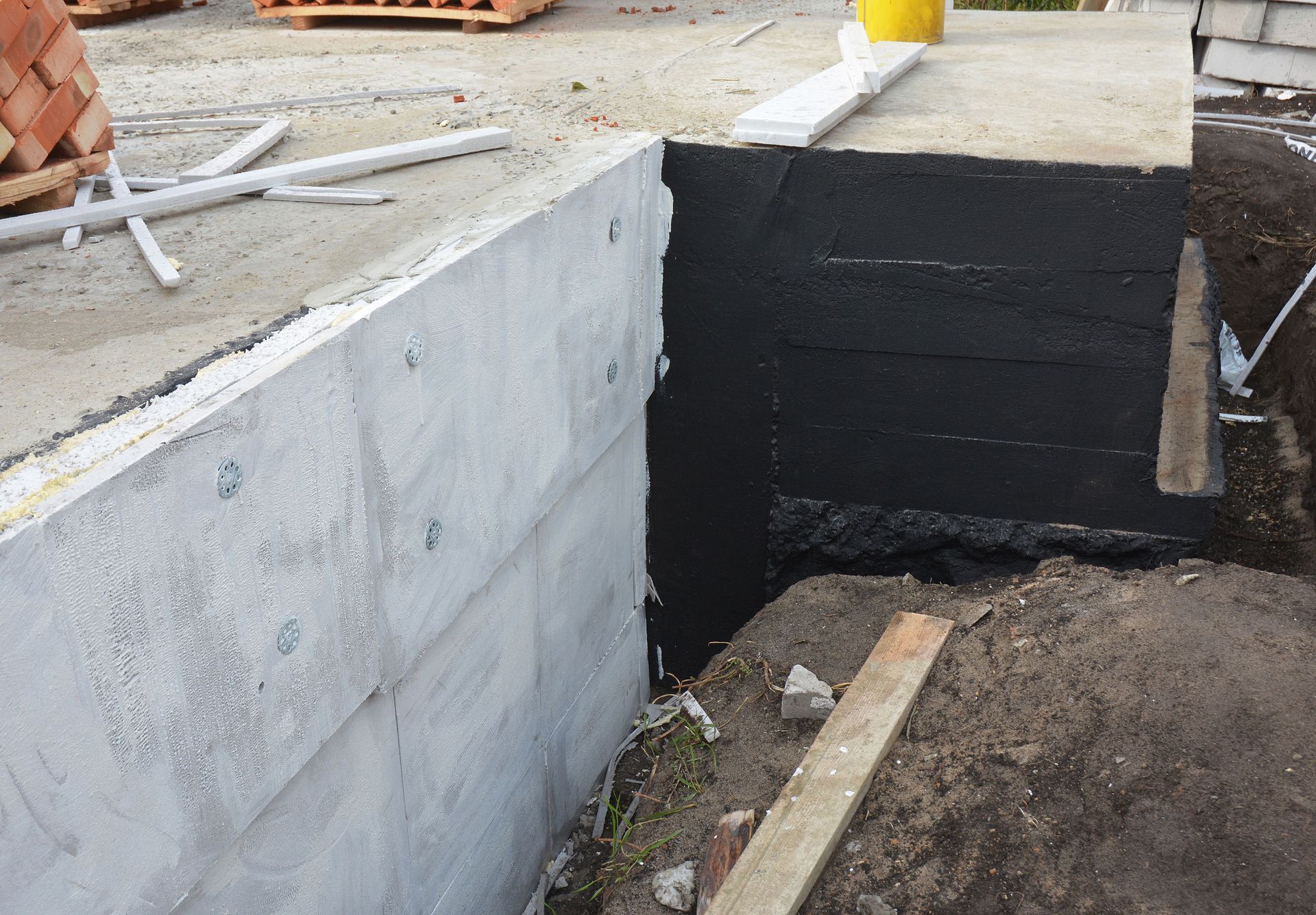
Excavating surrounding soils allows technicians to coat outer concrete surfaces with heavy-duty elastomeric waterproofing compounds and dimpled drainage boards. A basement waterproofing contractor installs these external coatings to prevent liquid from ever contacting the porous substrate. By shedding water downward before it can soak into concrete, exterior membranes eliminate outer wall dampness that could otherwise seep inside and nourish mold growth.
Routing Surface Runoff Beyond Foundations
Managing grade level water shedding reduces the volume of moisture accumulating against foundational footings. Installing exterior footing drains encased in washed aggregate and filter fabric carries storm runoff safely away from below-ground walls. Keeping exterior soil moisture within manageable levels minimizes the structural hydrostatic loads that push water inward, ensuring subgrade spaces remain free from chronic dampness and associated spore activity.
Ensuring Comprehensive Moisture Protection for Residential Basements
Preventing subterranean fungal contamination requires a multi-faceted approach combining groundwater interception, surface sealing, structural stabilization, and air regulation. Addressing a single point of moisture entry while neglecting rising humidity or hydrostatic pressure leaves subterranean spaces susceptible to recurring dampness. An experienced basement waterproofing contractor evaluates the unique environmental forces affecting a property, identifying entry points and configuring layered protections that address water intrusion from every angle.
When homeowners tackle subterranean dampness comprehensively, they safeguard structural framing, protect valuable storage, and preserve overall indoor environmental quality. Eliminating water entry prevents the degradation of framing studs and keeps concrete footings sound over decades of seasonal weather changes. By partnering with a qualified
basement waterproofing contractor, homeowners can implement long-term solutions that resolve moisture issues permanently, turning damp basements into clean, secure spaces. For homeowners seeking professional guidance to resolve subterranean moisture problems and protect their properties against mold growth, Tennyson Construction Wet Basement Specialist provides expert moisture management solutions designed to keep below-ground spaces permanently dry.